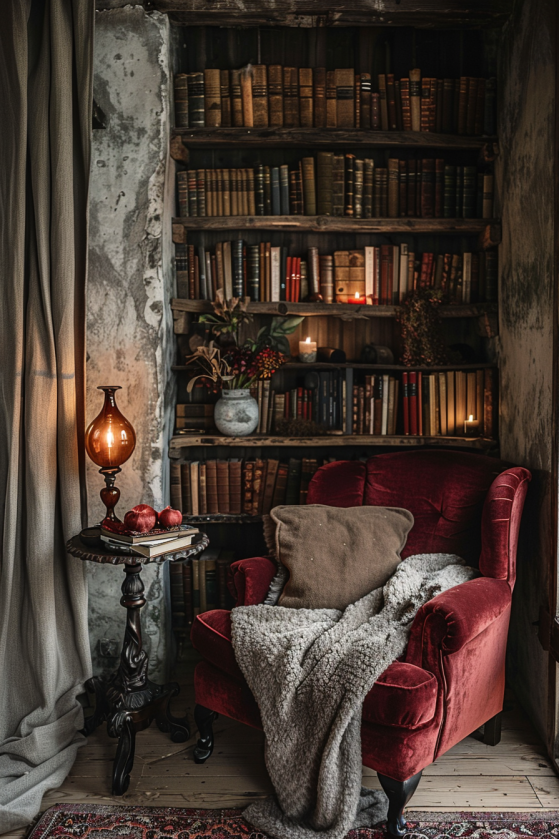
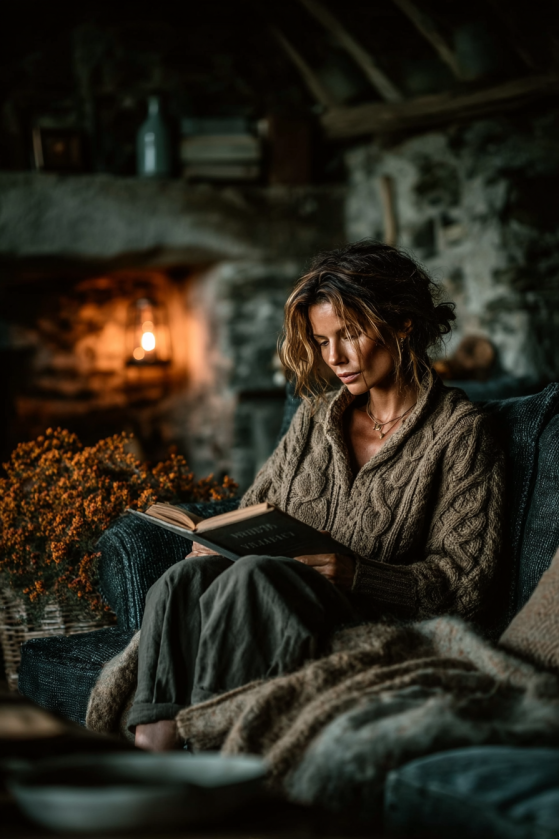
Category: Home Decor

  • Where Shadows Bloom and Soup Simmers: The Dark Cottagecore Kitchen You’ve Been Dreaming Of

    Where Shadows Bloom and Soup Simmers: The Dark Cottagecore Kitchen You’ve Been Dreaming Of

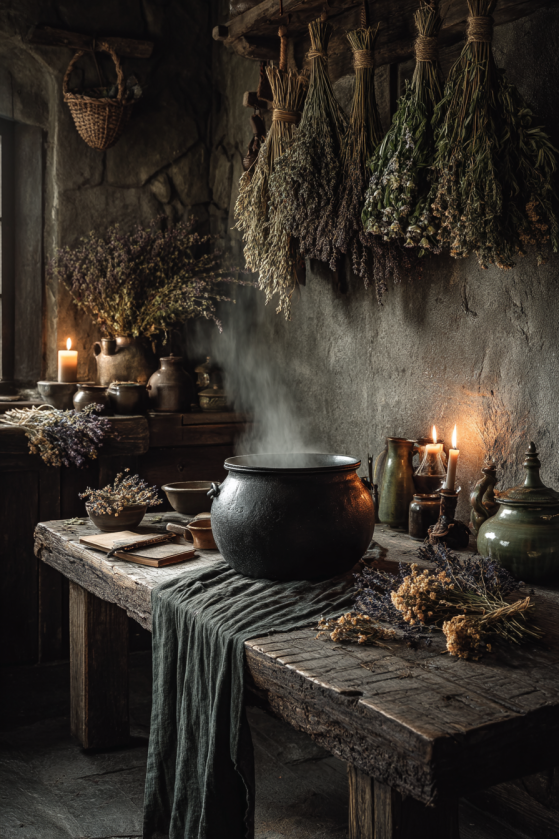
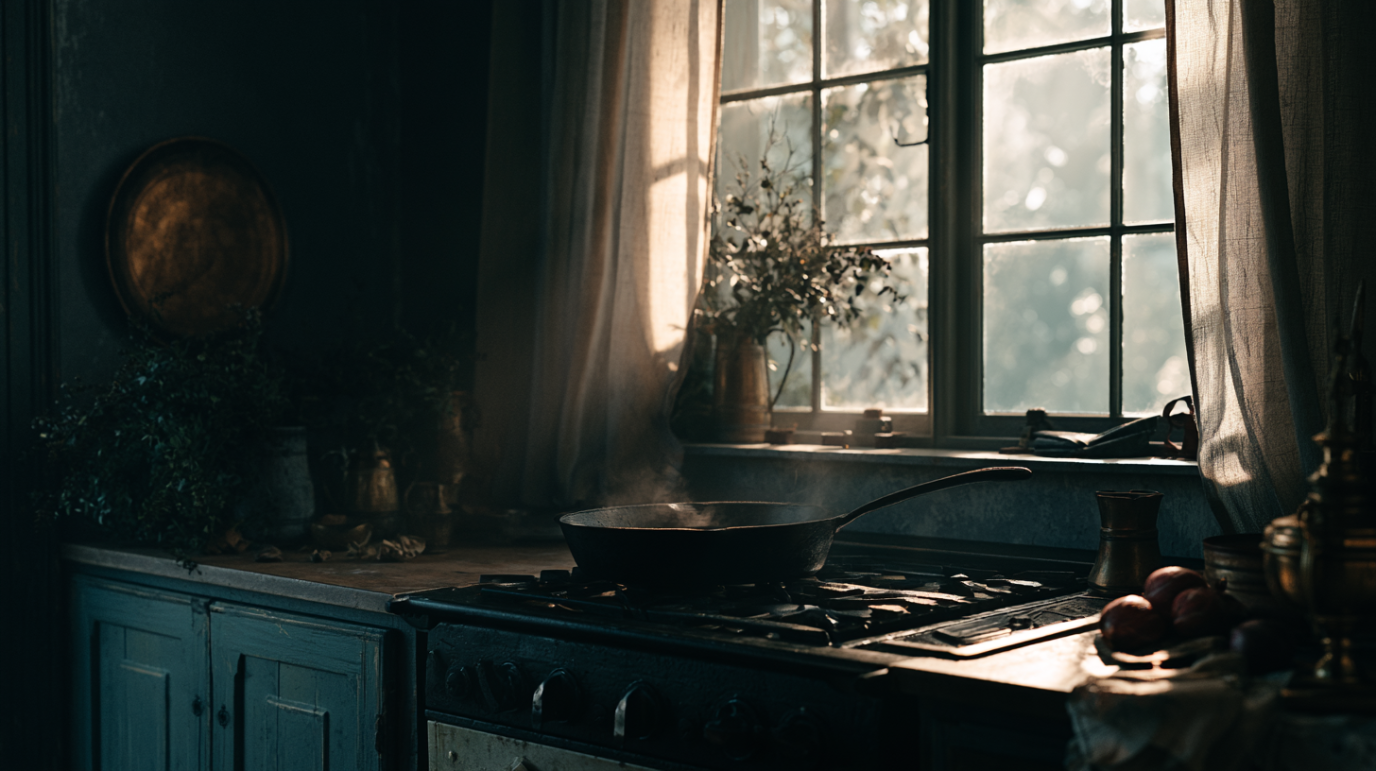
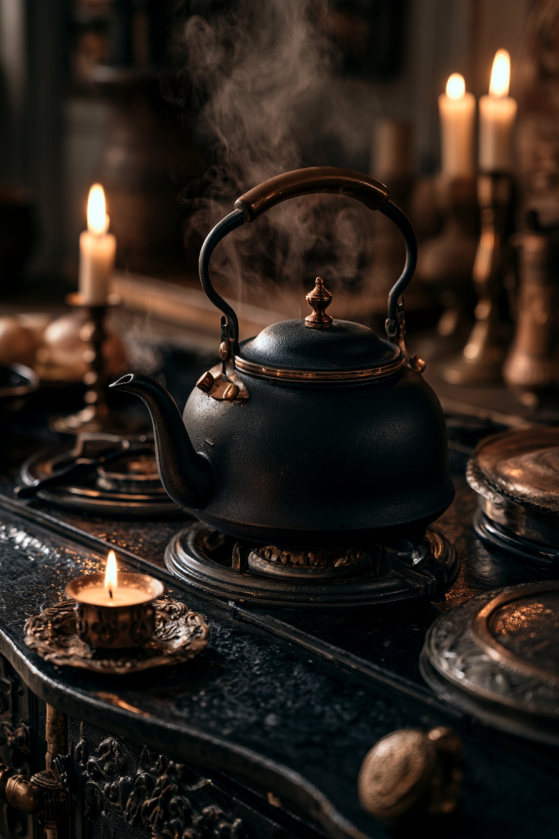
    Step inside. The kettle hums low on a black iron stove. Bundles of dried lavender and rosemary hang like sleeping bats from a ceiling beam worn smooth by decades of hands. A single tallow candle stutters on the windowsill, casting amber pools across dark slate tiles and a worn oak table dusted in flour.

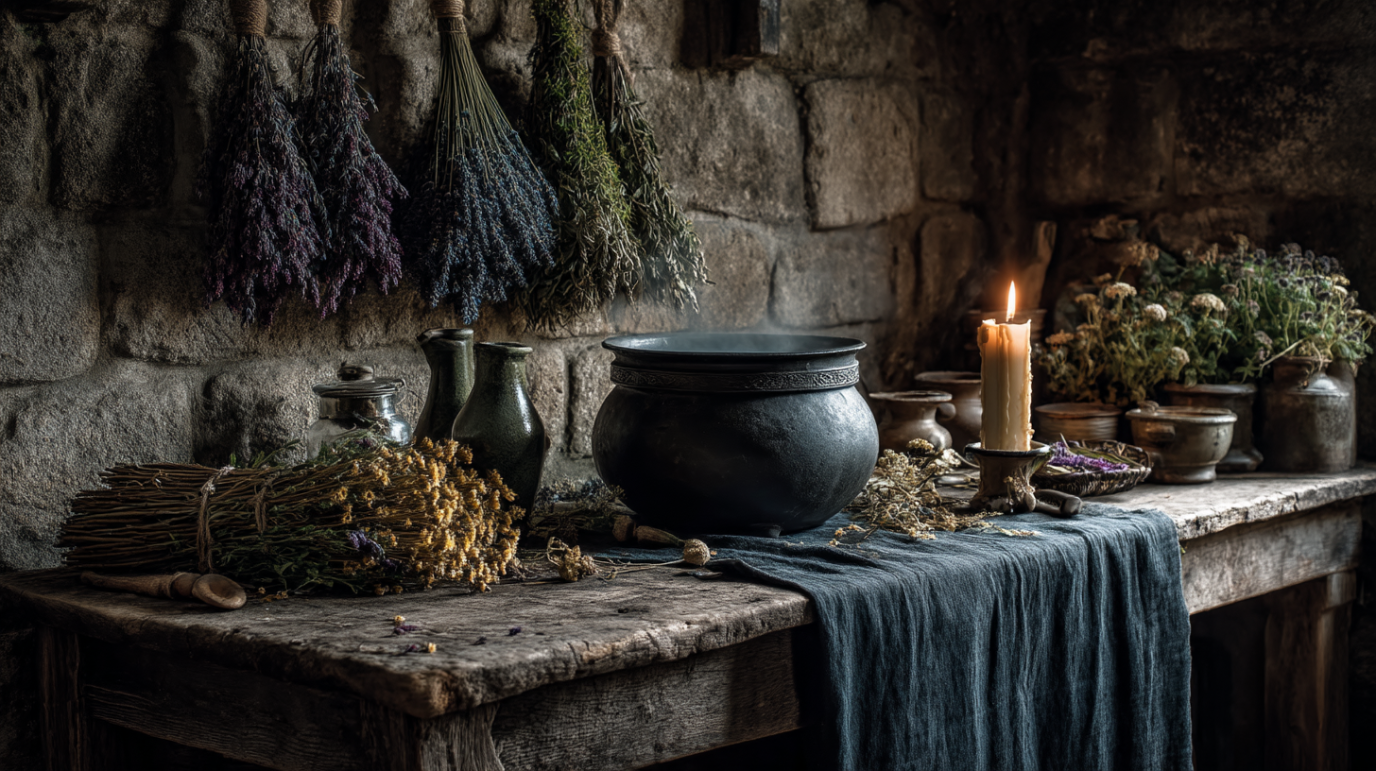
    A moody dark cottagecore farmhouse kitchen with a cast iron cauldron on a rough wooden table, dried herb bundles hanging overhead, and a single beeswax candle casting warm amber light against stone walls.

    This is not your grandmother’s farmhouse kitchen.

    This is something older. Something more honest. This is the dark cottagecore kitchen aesthetic — and if your soul has ever ached for a place that feels both wildly beautiful and beautifully strange, you already know exactly what this feels like.

    What Is the Dark Cottagecore Kitchen Aesthetic?

    b

    Cottagecore, at its heart, is a love letter to slow living, handmade things, and the natural world. But dark cottagecore dips that letter in ink instead of watercolor.

    Where classic cottagecore kitchens lean toward white linen and sunlit jars of honey, the dark cottagecore kitchen leans into:

    • Deep, moody color palettes — forest green, charcoal, blackened walnut, plum, and stone grey
    • Worn, organic textures — rough-hewn wood, handmade ceramic crockery, aged copper, cast iron
    • Witchy, foraged, and folk-magic vibes — dried herb bundles, mortar and pestles, amber glass bottles, beeswax candles
    • A sense of living with the land, not just decorating with it
    • Gothic undertones softened by the warmth of a wood fire and the smell of bread baking

    Think: a healer’s cottage at the edge of a dark wood. A Victorian herbalist’s workspace. A fairy tale kitchen where something is always simmering and the walls know your name.

    image 5 1

    LAYER YOUR OWN DARK COTTAGECORE KITCHEN

    Begin with Deep Moody Walls (Paint) in charcoal, forest green, or plum. Fill open shelves with Dark Stoneware Crocks, Bowls, and Mugs (Amazon). Black Stoneware Containers (Etsy) . Handmade Ceramic Crockery. Keeping it natural by Hanging Dried Herb Bundles or Dried Wild Flowers from ceiling beams or hooks. Add a Cast Iron Pot left proudly on the stove and a few Beeswax Candles for living light or Natural Linens. The result is a kitchen that feels collected over time — warm, textured, and quietly magical. Wrought Iron Hooks or Pot Rack (for hanging herbs)


    The Palette: Dark, Rich, and Alive

    The color story of a dark cottagecore kitchen is not cold or harsh — it is deep and warm, like the forest floor after rain.

    A styled dark kitchen vignette featuring a deep forest green ceramic jug with dried eucalyptus, a rust-colored clay bowl of dried figs, aged dark wood surface, and a single brass candlestick with dripping wax illuminated in warm candlelight.

    Dark forest green cabinetry is perhaps the most iconic choice. It feels ancient and alive at once. Pair it with Matte Black Hardware (Amazon) — Or a more Rustic Matte Black Hardware (Etsy) hand-forged iron pulls, if you can find them — and suddenly your kitchen feels like it belongs to someone who knows the names of every plant in the hedgerow. Clay Pottery in darker styles and Unique Candles rounds out the look.

    Don’t be afraid of black. A matte black ceiling, a black shiplap wall, or even simply black window frames can transform an ordinary kitchen into something utterly atmospheric.


    The Materials: Handmade, Foraged, and Time-Worn

    The dark cottagecore kitchen is not a showroom. It is a living workspace, and every surface tells a story.

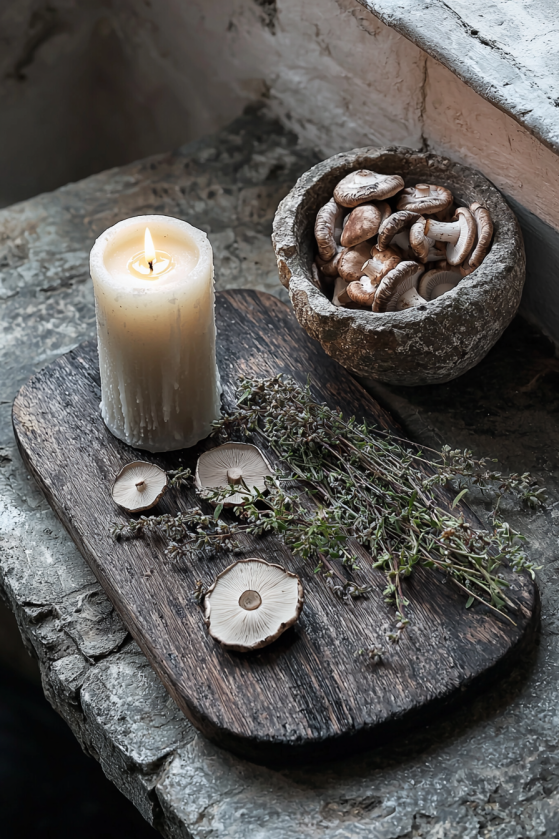
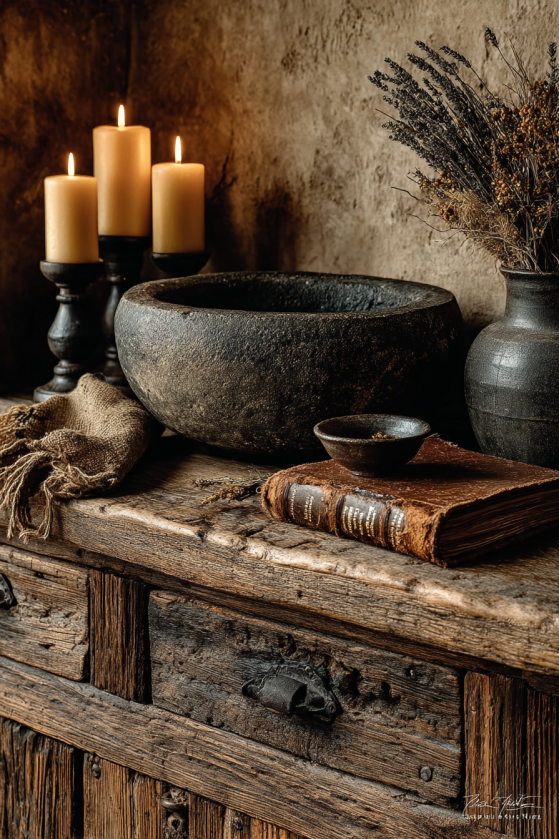
    A dark cottagecore kitchen material study featuring a rough-hewn dark walnut wood cutting board beside a hand-chiseled stone bowl filled with foraged wild mushrooms, dried herb sprigs, and aged beeswax candle, with dramatic side lighting revealing rich wood grain texture.

    Carved Stone Bowls are one of the must haves for a kitchen like this along with Rustic Cutting Board and Beeswax Candles

    Wood

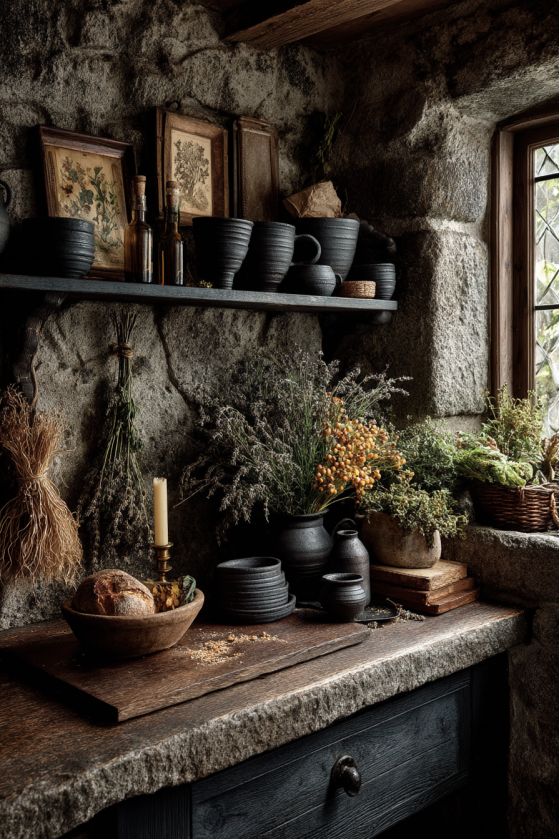
    An attainable dark cottagecore rental kitchen corner styled with dark linen curtains, hand-thrown charcoal pottery pieces on open shelves, a dried herb garland, a small dark wood cutting board, an amber glass bottle vase with dried wildflowers, and a single beeswax candle.

    Choose wood that has lived a little. Dark walnut, ebonized oak, reclaimed barnwood, rough-hewn pine darkened with age or stain. Exposed ceiling beams are a dream. Open Shelving in Dark-Stained Wood lined with Ceramic or Clay Crocks and Amber Bottles , Natural Linens and Distressed Cutting Boards are the aesthetic in one single image.

    Stone

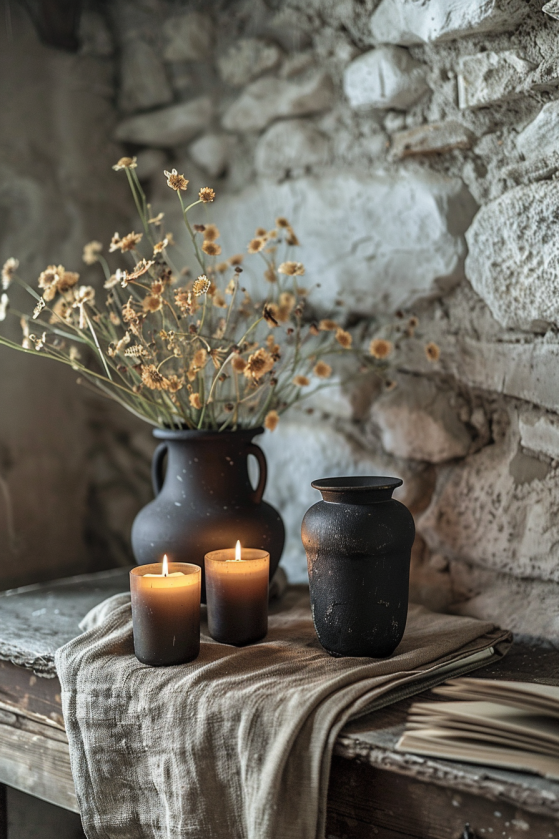
    A close-up still life of a matte black ceramic pitcher alongside a weathered stone mortar and pestle dusted with dried herbs, set against raw umber walls with a faded moss green linen cloth and warm candlelight glow.

    Ceramics and Pottery

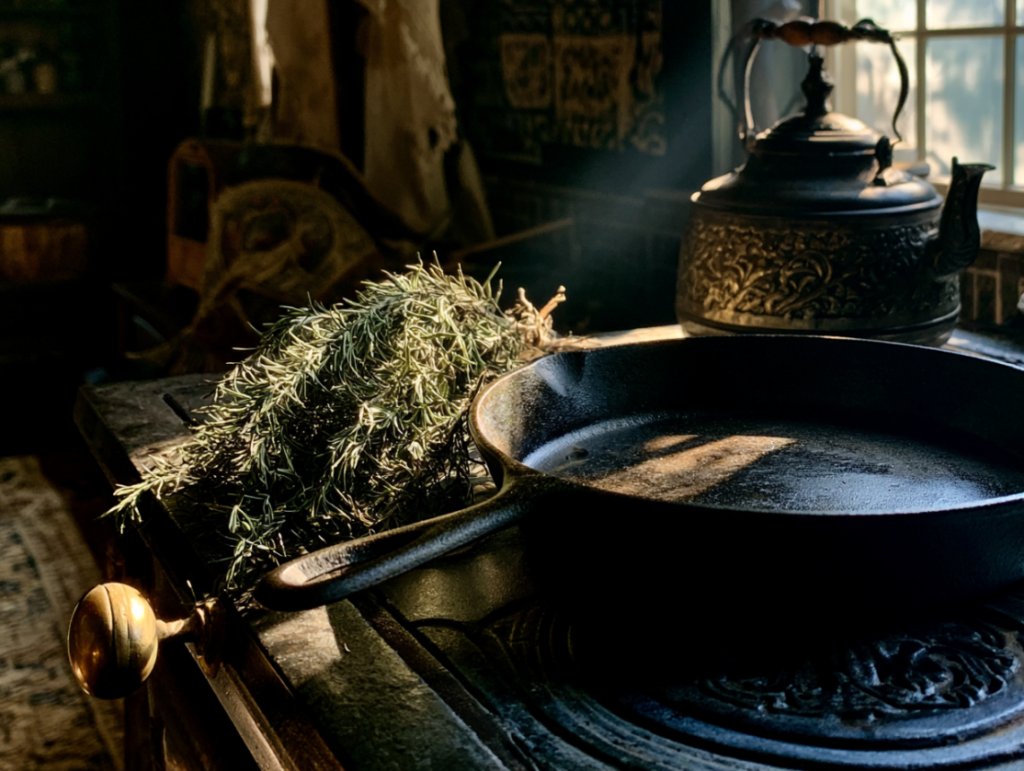
    dark atmospheric kitchen arrangement, hand-thrown charcoal and rust-glazed pottery bowls nested beside a black cast iron skillet with leather-cord handle wrap, dried rosemary and thyme scattered on dark linen cloth, raw stone surface, amber candlelight deepening background shadows, wisp of herbal steam, editorial food photography, dark cottagecore kitchen witch aesthetic, rich texture and shadow depth --ar 2:3 --v 6.1 --style raw

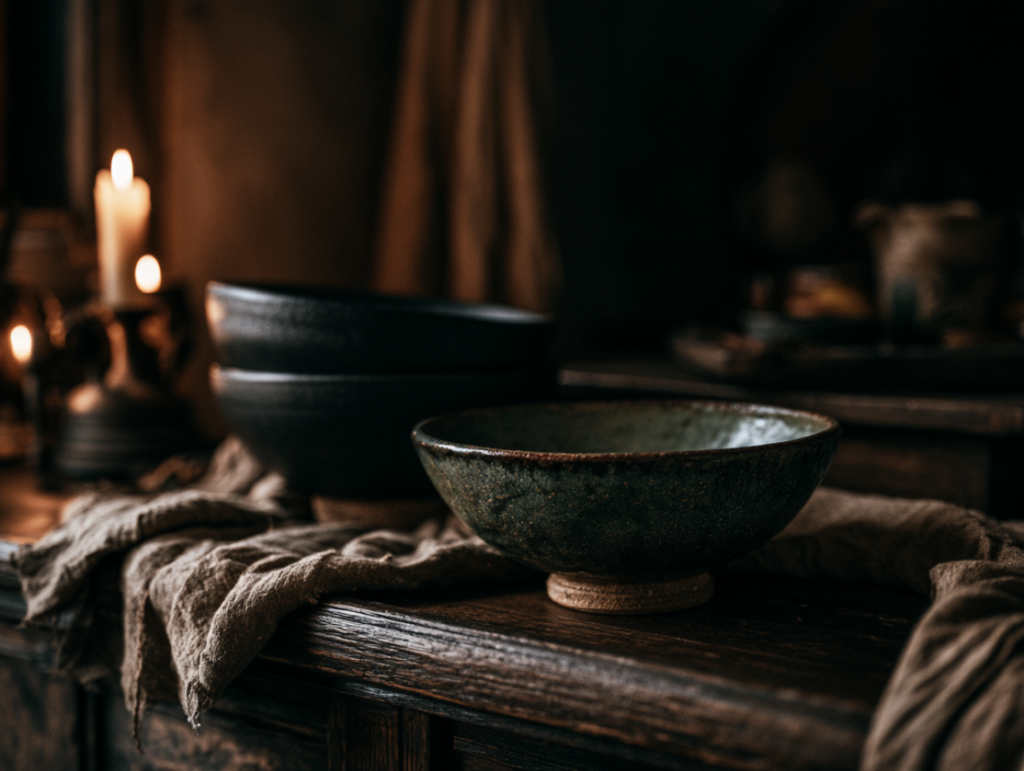
    This is where the kitchen becomes yours. Hand thrown mugs in dark clay, speckled grey or earthy brown. A heavy stoneware mixing bowl. A crockpot with a lid you could lose yourself in.

    Layer Your Look In Natural Materials

    Carved Stone Bowls . Open Shelving in Dark-Stained Wood lined with Ceramic or Clay Crocks and Amber Bottles , Natural Linens and Distressed Cutting Boards Mortar and Pestle are all the aesthetic in one single image.

    Cast Iron

    A well-seasoned cast iron skillet hanging from a ceiling rack is not just a cooking tool in a dark cottagecore kitchen — it is almost devotional. The same goes for a Dutch oven in deep navy or forest green enamel.


    The Details: Where the Magic Lives

    It is in the details that a dark cottagecore kitchen becomes truly enchanted.

    aa

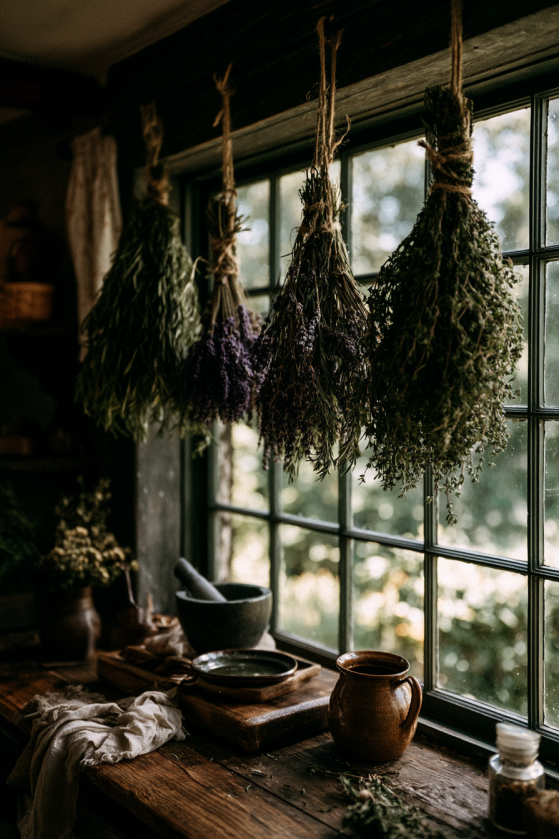
    Dried Herb Bundles hanging from the ceiling beams are the single most transformative thing you can add to any kitchen. Lavender, rosemary, thyme, wormwood, mugwort, yarrow. Tie them with natural twine and hang them in clusters. The scent alone will change the entire feeling of the room.

    Rows of dark amber glass apothecary bottles filled with dried herbs and wildflowers on a rough wooden shelf, with handwritten labels, hanging dried herb bundles tied with twine, a stone mortar spilling crushed lavender, and a single beeswax candle flame.

    Amber and Dark Glass Bottles filled with vinegars, oils, or simply collected as objects of beauty. Antique apothecary bottles. Brown medicine bottles found at estate sales. They catch the light and hold it like a secret.

    Three beeswax pillar candles of varying heights on a weathered stone ledge, with organic wax drips preserved in place, dried seed pods and pressed dark leaves around the base, and dramatic warm candlelight glowing against a shadowed stone wall with soft deep forest green velvet fabric.

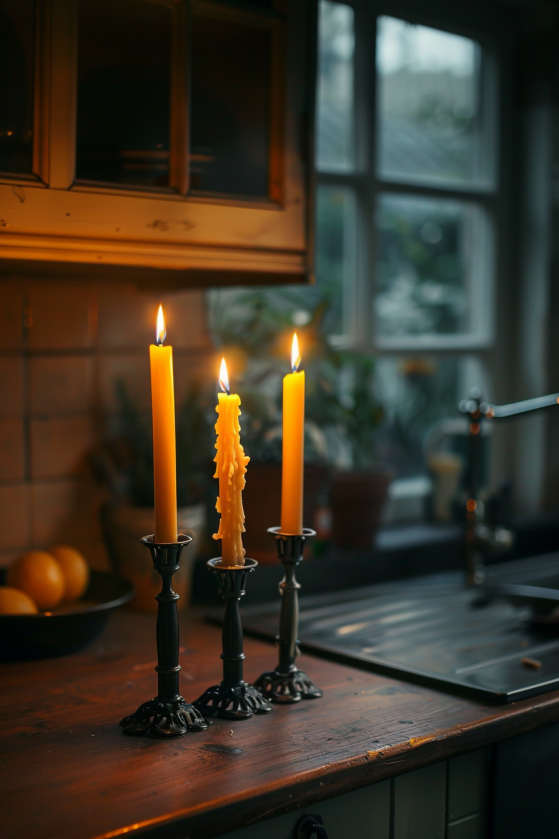
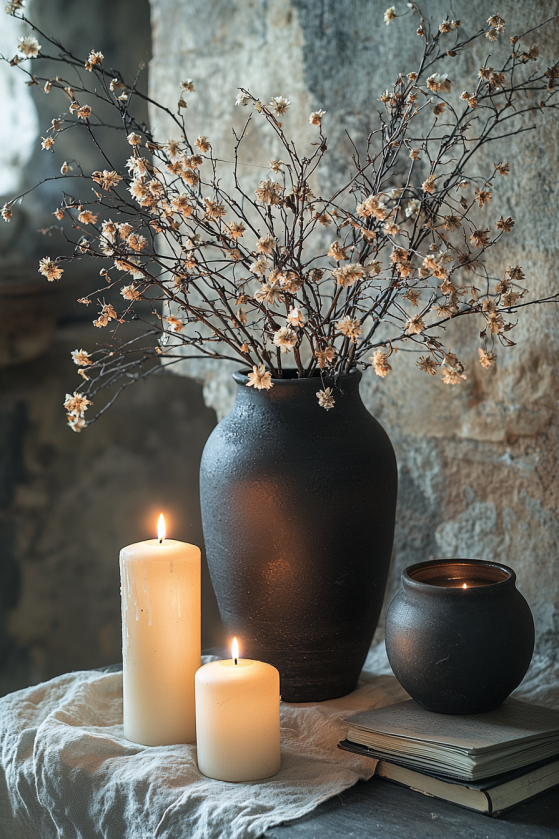
    Beeswax and Tallow Candles over electric light whenever possible. A candelabra on the table. A single taper in a blackened iron holder on the windowsill. Candlelight is not decorative in a dark cottagecore kitchen — it is essential.

    An extreme close-up editorial still life of an ancient stone mortar and pestle with dried lavender, crushed rosemary, and dark peppercorns, on a raw wooden surface stained with age, with warm amber side-light casting long shadows and a small dark glass vial beside it

    A Mortar and Pestle in dark stone or aged marble, sitting out on the counter always. It is both functional and deeply, irreducibly beautiful.

    Woven baskets and wreath forms for storing garlic, onions, dried flowers. Pressed botanical prints in dark frames. A hand-lettered list of herbs and their uses, hung near the stove.


    The Feeling: This Is Why People Love It

    A deeply atmospheric dark cottagecore kitchen scene showing a woman

    Dark cottagecore kitchens are popular right now not because of a trend, but because they offer something our modern world is desperately hungry for.

    Slowness. A kitchen where you knead bread by hand and steep tea in a handmade pot.

    Belonging. A kitchen that feels like it has always been yours. Like it was waiting.

    Mystery. A kitchen where the light is low and the shadows are friendly and something beautiful is always on the stove.

    Connection. To the land, to plants, to the rhythm of seasons, to the long unbroken thread of women who have cooked in spaces like this for hundreds of years.

    This aesthetic says: I am not rushing. I am here. I am home.


    How to Start Your Dark Cottagecore Kitchen (Even in a Rental)

    You do not need to tear out your cabinets. The dark cottagecore aesthetic is deeply adaptable:

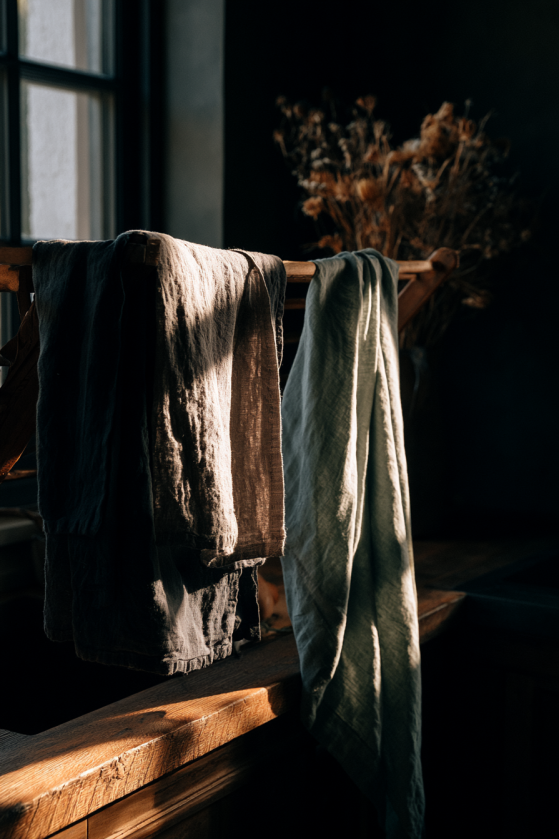
    1. Start with textiles. Dark linen dish towels, a deep-toned window curtain, a woven runner on the table. Immediate transformation.
    2. Add dried herbs. Hang a bundle of lavender or rosemary from a cabinet knob. Cost: almost nothing. Effect: extraordinary.
    3. Replace one or two pieces of cookware. A dark enamel Dutch oven or cast iron skillet changes the visual story of your whole stove.
    4. Swap your canister set. Dark ceramic or stoneware canisters instead of plastic or white enamel.
    5. Light differently. Add one small lamp or candle holder to your counter. Change the light, change everything.
    6. Find one beautiful bottle. An amber apothecary bottle filled with olive oil. A dark glass bud vase with a single dried flower. One object, one shift.

    ab

    Save This Look to Your Dark Cottagecore Pinterest Board

    If you’ve fallen in love with this aesthetic — and we have a feeling you have — explore our curated Dark Cottagecore Kitchen boards on Pinterest for hundreds of images, product finds, and styling inspiration.

    From moody green kitchen cabinet ideas to the most beautiful cast iron collections we’ve ever seen, to DIY dried herb bundle tutorials and the best dark cottagecore Etsy shops, it’s all waiting for you.

    A complete dark cottagecore farmhouse kitchen corner editorial scene with stone walls, dark wood shelving holding charcoal pottery and amber glass bottles, hanging dried herb bundles, a cast iron pot on the range, a dark linen apron on a hook, and dramatic grey morning light.

    Pin this post to save it for when you’re ready to transform your kitchen into the most beautiful, atmospheric space you’ve ever cooked in.


    Disclosure: This post contains affiliate links. If you purchase through one of our links, we may earn a small commission at no extra cost to you. We only recommend products we genuinely love and believe in.

  • 10 Dark Cottagecore Kitchen Essentials That Feel Like a Fairytale Farmhouse

    10 Dark Cottagecore Kitchen Essentials That Feel Like a Fairytale Farmhouse

    There’s a particular kind of morning that belongs to the dark cottagecore kitchen.

    The kind where cold grey light filters through linen curtains. Where a cast iron skillet sits heavy on a gas flame. Where the whole room smells of woodsmoke and black coffee and something faintly herbal — dried rosemary, maybe, or the last of the lavender bundles hung upside down above the window.

    If you’ve ever wanted your kitchen to feel less like a showroom and more like a place where something slow and magical is always simmering — you’re in the right place.

    13

    Dark cottagecore kitchens aren’t afraid of shadows. They welcome them. They lean into worn textures, deep colors, candlelight, and the kind of utilitarian beauty that comes from using real tools in a real kitchen.

    Here are ten essentials that will make your kitchen feel like it belongs in a fairytale farmhouse at the edge of a dark wood.

    Disclosure: This post contains affiliate links. If you purchase through these links, we may earn a small commission at no extra cost to you. We only recommend products we genuinely love.

    1. A Well-Seasoned Cast Iron Skillet

    a

    Nothing grounds a dark cottagecore kitchen like cast iron. Heavy, dependable, quietly beautiful in the way only things with history can be. A good cast iron skillet develops character with every use — it’s seasoned by your cooking, not by a factory. Lodge makes legendary skillets that last generations. Place it on the stove even when it’s not in use. It belongs there.
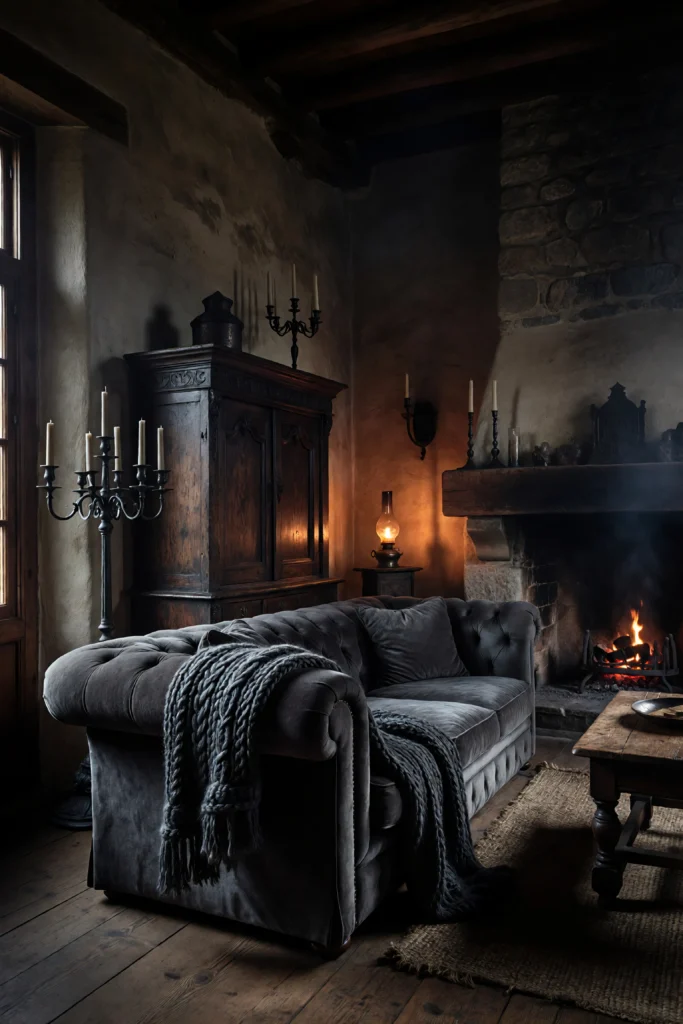
    [AFFILIATE LINK: Lodge 12-Inch Cast Iron Skillet]

    2. Dark Ceramic Mixing Bowls

    b

    Step away from stainless steel. Dark ceramics — in deep slate, matte black, or moody forest green — carry the handmade, earthy energy of cottagecore without sacrificing function. Look for a nesting set you can leave on the counter. They’re art when empty and joy when full of bread dough.

    3. Linen Tea Towels in Neutral Darks

    4

    Charcoal. Oatmeal. Dusty sage. Washed-linen tea towels drape over oven handles and fold over wooden drying racks in a way that makes the whole kitchen feel like a still life. They should look like they’ve been washed a hundred times and are better for it.

    [AFFILIATE LINK: Linen Tea Towel Set — Stonewashed]

    4. A Copper or Black Enamel Kettle

    5

    There is something almost ceremonial about a beautiful kettle on the stove. A matte black enamel kettle or a hammered copper one catches the morning light differently than plastic will ever manage. Boil your water slowly. Let it be a ritual.

    [AFFILIATE LINK: Matte Black Enamel Stovetop Kettle]

    5. Dried Herb Bundles

    6

    This is both decor and pantry. Hang dried rosemary, lavender, thyme, and sage bundles from a ceiling hook or a wooden dowel above the kitchen window. They perfume the air with something ancient and practical. You can forage your own or buy beautiful pre-dried bundles from herbal suppliers on Etsy.

    6. Beeswax Taper Candles and Simple Holders

    10

    Dark cottagecore kitchens are not fluorescent. In the evening — even just for dinner prep — light a taper candle. Beeswax burns cleaner and smells faintly of honey and wildflowers. Simple wrought-iron holders or turned wooden ones are all you need.

    [AFFILIATE LINK: Beeswax Taper Candles (set of 12)]

    7. A Wooden Cutting Board with Character

    7

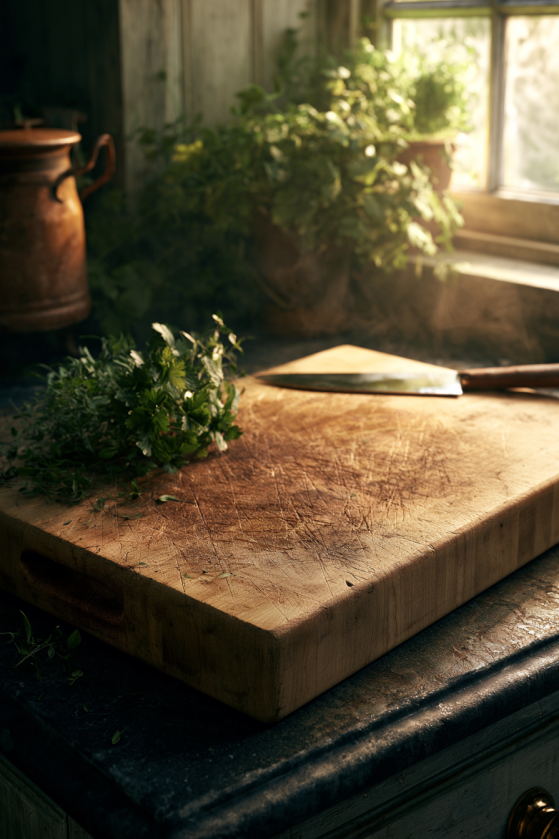
    Not a pristine end-grain showpiece. A wooden board with knife scars and oil stains and a story. Edge-grain maple or walnut boards develop a patina over years of honest use. Let them. Boos Blocks are the gold standard for kitchen boards that last decades.
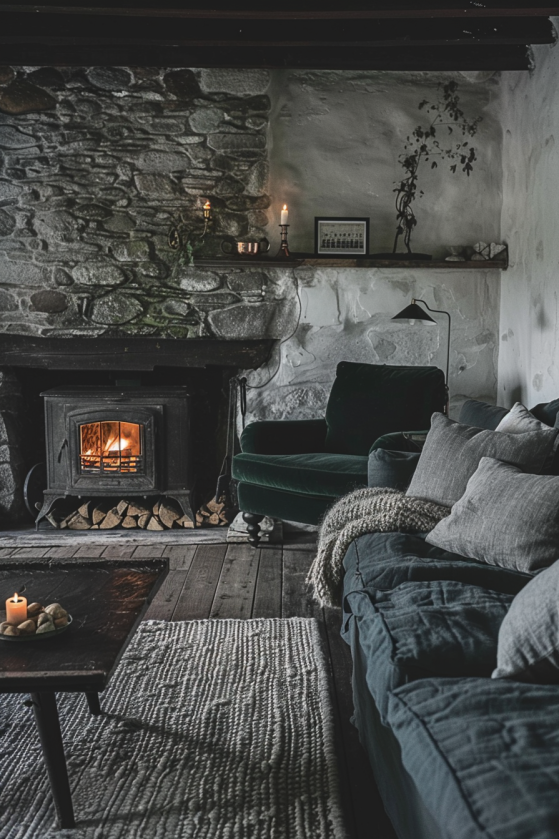
    [AFFILIATE LINK: John Boos Maple Cutting Board]

    8. Stoneware Mugs in Earth Tones

    11

    The mug matters. Thick-walled stoneware in forest green, ash grey, or speckled cream holds heat longer and feels grounding in your hands in a way that thin porcelain never will. Small pottery studios and Etsy ceramicists make the most beautiful ones — each slightly imperfect, each unmistakably handmade.
    [AFFILIATE LINK: Stoneware Mug Set — Earthy Tones]

    9. A Dark-Painted or Distressed Spice Rack
    8

    Bring your spice collection out of the cabinet and onto the wall. A small black-painted wooden spice rack hung beside the stove, filled with glass jars and small tins, becomes one of the most atmospheric features in a dark cottagecore kitchen. Label with chalkboard tags or hand-stamped kraft labels.

    10. Fresh or Dried Flowers in a Dark Vessel

    9

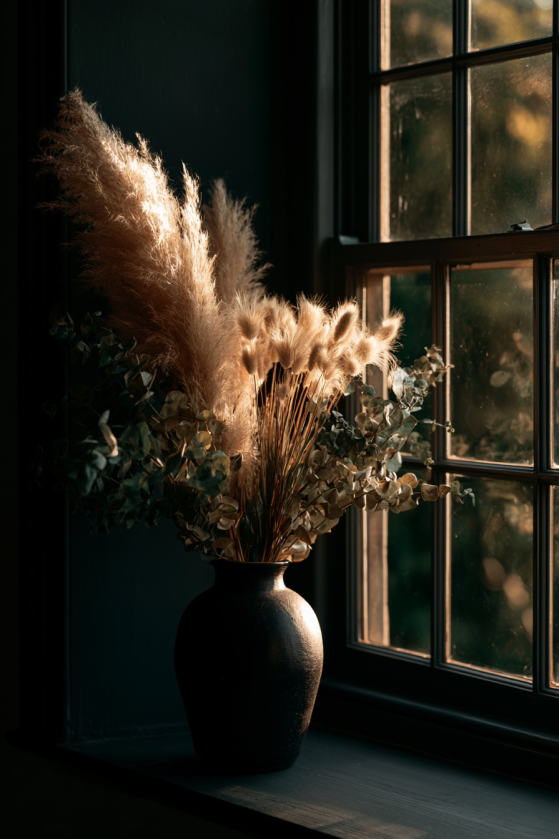
    A small bunch of wildflowers in a dark stoneware vase. A cluster of dried pampas grass in a black enamel pitcher. Single stems of eucalyptus in a narrow terracotta pot with a black glaze. Wherever you put them, flowers bring the garden inside and soften the whole aesthetic into something breathing and alive.

    Pulling It All Together

    The dark cottagecore kitchen isn’t built in a day — it’s assembled slowly, deliberately, the way a good stock is made. One beautiful object at a time. One ritual at a time.

    Start with the cast iron and the candles. Let the rest come.

  • How to Style a Gothic Reading Nook in 7 Steps (Dark Aesthetic Interior Guide)

    Disclosure: This post contains affiliate links. If you purchase through our links, we may earn a small commission at no extra cost to you. We only recommend things we genuinely love.

    Every house has a corner that wants to become something more.

    Maybe it’s the deep alcove beside the fireplace. Maybe it’s the window bay in the upstairs room where the light goes amber in the afternoons. Maybe it’s just a quiet patch of wall where something is waiting to be built.

    That corner wants to be a reading nook. A dark one.

    Not dark as in gloomy — dark as in intentional. Rich. Layered. The kind of space that wraps around you like an old wool coat and makes the rest of the world go quiet.

    Here is how to build it, step by step.

    Step 1: Choose a Corner That Has Potential for Shadow

    Light is important in a reading nook — but so is the absence of it. Look for a corner that gets side light rather than overhead light. A window that faces north or catches afternoon shade. A wall nook where a single lamp can carve light dramatically from one direction only.

    Avoid spaces under harsh overhead lighting. You can always add warm light to a dark space. You can’t really subtract cold brightness from a too-bright one.

    Step 2: Anchor the Space with Dark-Painted Walls or a Rich Wallpaper

    If you can paint the reading nook differently from the rest of the room — do it. A single accent wall in deep charcoal, forest green, navy, or warm black creates an immediate sense of enclosure and drama.

    If you can’t paint (renting, or you want a softer commitment), consider a removable wallpaper in a botanical or gothic geometric pattern. Dark floral or arch-motif wallpapers are having a major moment and they dramatically elevate a small corner with minimal commitment.

    Step 3: Build the Shelf Layer

    A reading nook without shelves is just a seat. Shelves are what make it a nook.

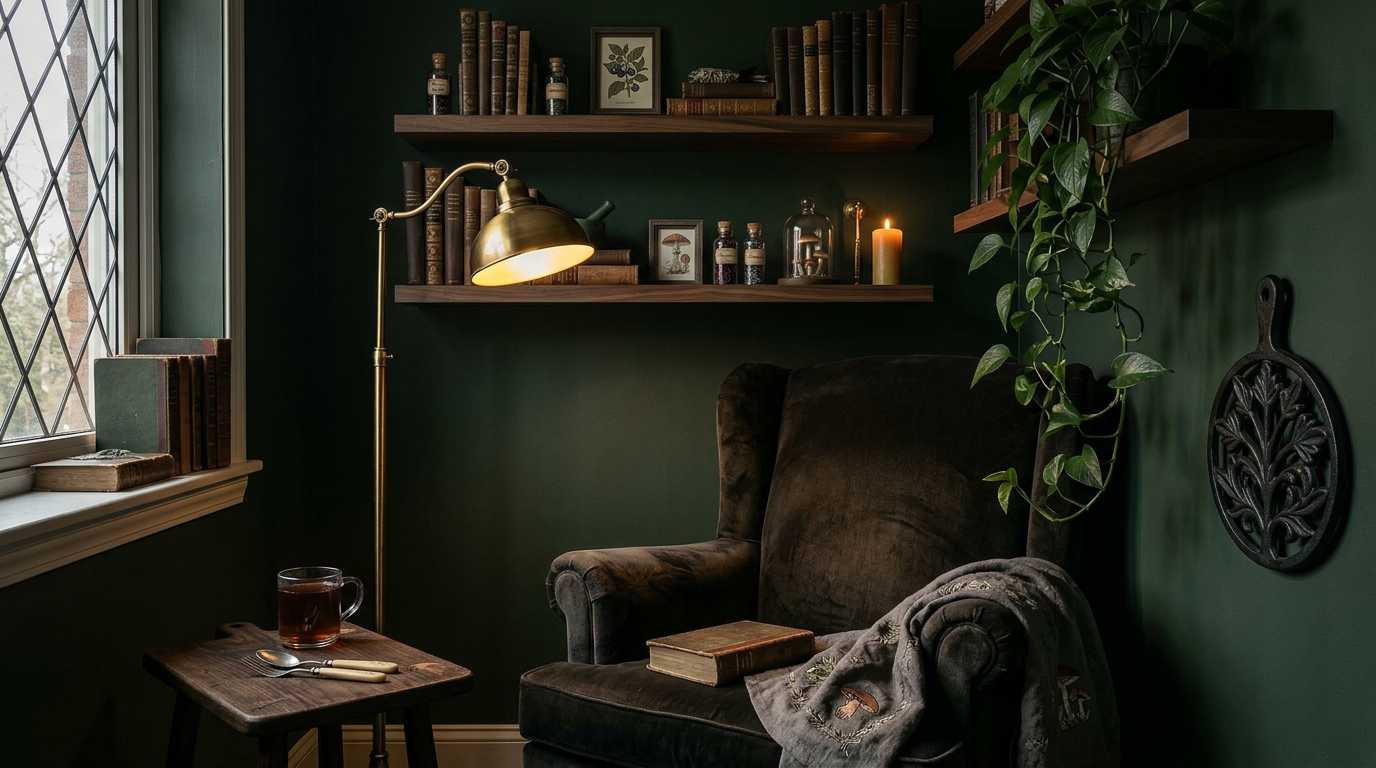
    Floating shelves in dark walnut or black-finished wood work beautifully. Stack them slightly asymmetrically — they don’t all need to be the same depth or height. Fill them with books spine-out, a few beautiful objects (a small framed print, a brass candle snuffer, a dark glass bottle), and at least one trailing plant.

    The shelves should feel like they’ve been collected over years, not assembled from one shopping cart.

    [AFFILIATE LINK: Floating Walnut Wall Shelves]

    Step 4: Choose Your Seating — Deep and Low

    The perfect reading nook seat is deep enough to curl into. Look for:

    • A low armchair with generous cushioning
    • A window seat with a thick cushion and bolster pillows
    • An oversized floor cushion or pouffe beside a low side table

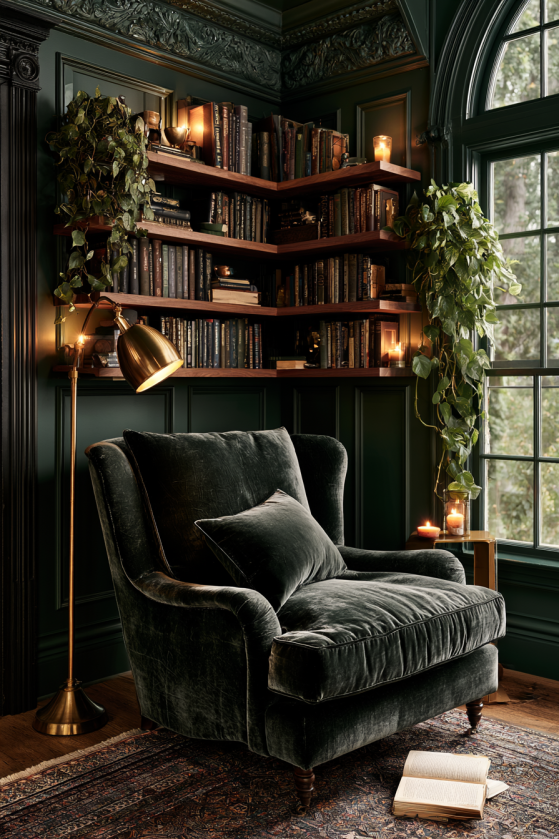
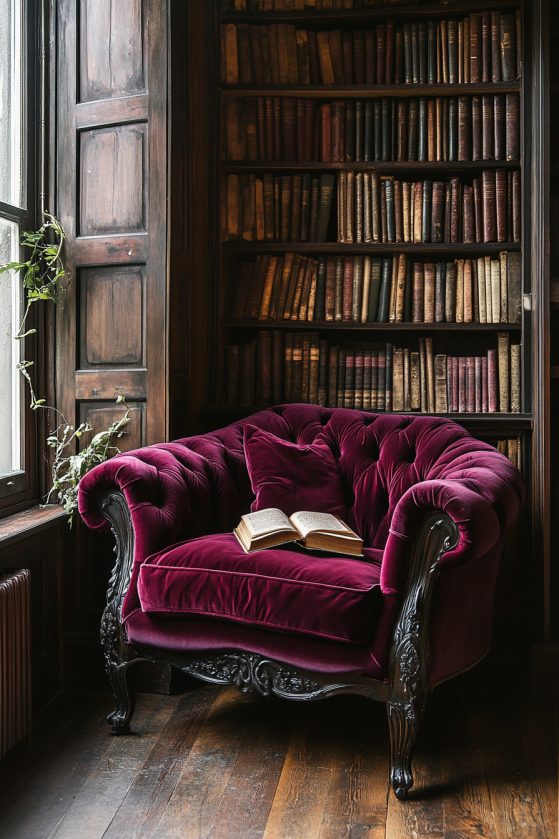
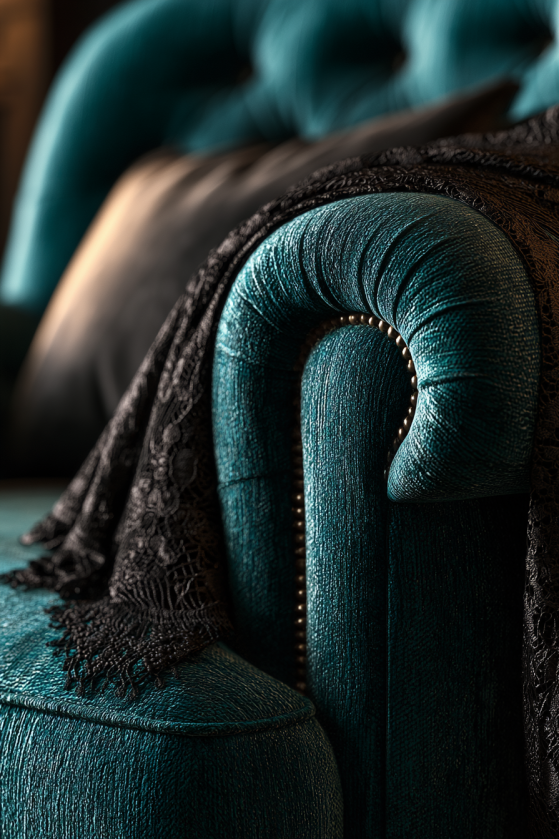
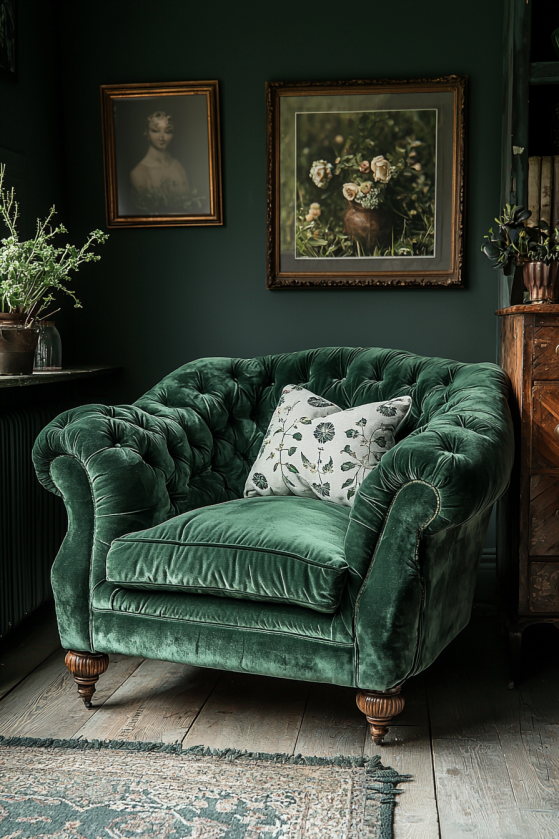
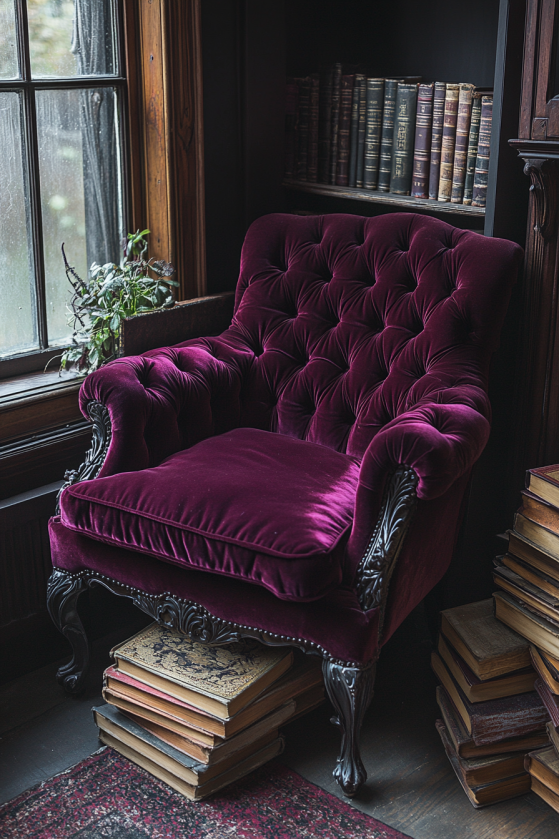
    Fabric matters here. Velvet, linen, or aged leather in muted, moody tones — bottle green, dusty plum, charcoal, rust — all work beautifully. Avoid synthetics that don’t age well. You want your nook to look better in three years than it does today.

    Step 5: Layer the Textiles

    One pillow is not a reading nook. You need:

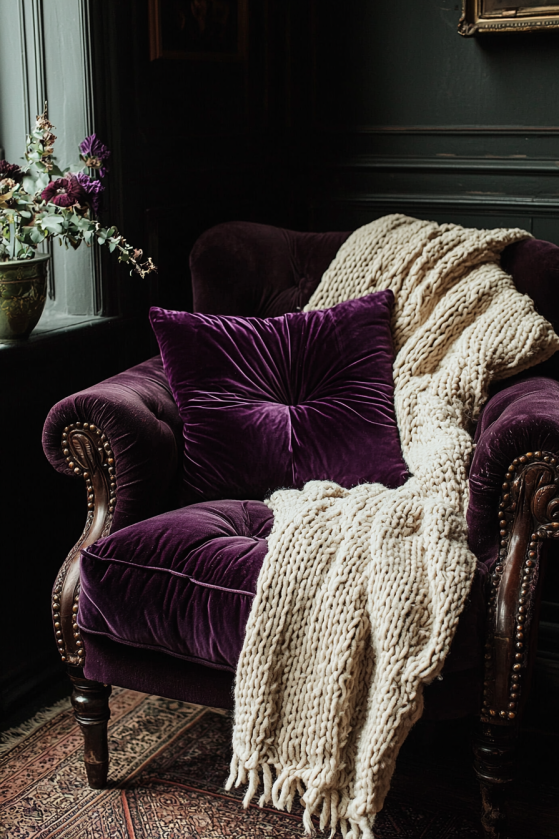
    • At least 2-3 throw pillows in different textures (velvet, knit, woven)
    • A throw blanket heavy enough to actually keep you warm
    • A rug beneath the chair if the floor is hard

    Don’t match everything perfectly. Gothic and dark cottagecore aesthetics reward layering — a velvet pillow beside a cable-knit throw beside a woven cushion is better than a matching set.

    [AFFILIATE LINK: Velvet Throw Pillow Covers — Deep Tones (set of 2)]

    [AFFILIATE LINK: Oversized Cable Knit Throw Blanket]

    Step 6: Build the Lighting System (Not Just One Lamp)

    The reading nook has two lighting modes: the reading light and the mood light.

    For reading: a clip-on or adjustable arm lamp positioned over your shoulder, bright enough to be practical without flooding the room.

    For mood: warm amber fairy lights tucked along the shelves. A beeswax taper on the side table. Perhaps a small salt lamp or amber-glassed lantern in the corner.

    When you’re reading, you use the reading light. When you’re not — when you’re just sitting and existing and being — you use the mood lights and let the space do its work.

    [AFFILIATE LINK: Beeswax Pillar Candle + Wrought Iron Holder]

    [AFFILIATE LINK: Adjustable Clip-On LED Reading Lamp]

    Step 7: Add Life — Plants, Botanicals, and Natural Texture

    A reading nook that breathes is one with living things in it.

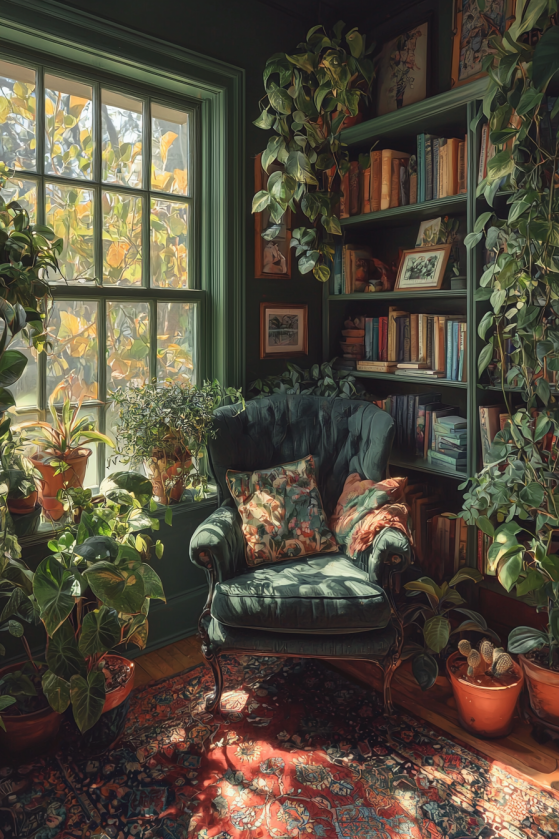
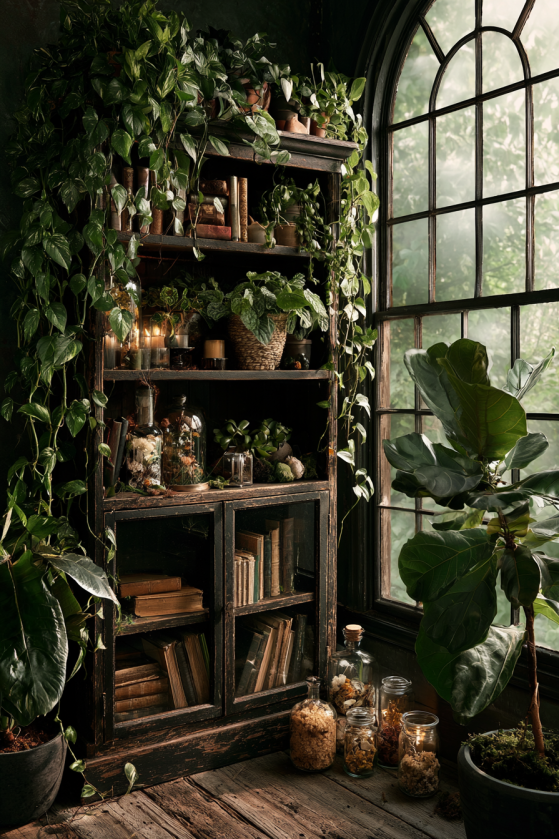
    A trailing pothos draped from a high shelf. A dark-leafed fiddle leaf fig in the corner. Dried botanicals in a glass apothecary jar on the lower shelf. A small pot of rosemary or thyme that fills the air with its particular warmth.

    Plants complete the space the way nothing else can. They turn a decorated corner into a living room.

    [AFFILIATE LINK: Trailing Pothos Plant (or Propagation Kit)]

    The Nook Is Ready. Now Go Read.

    You don’t need to do it all at once. Start with the wall color and the chair. Add the shelves. Let the textiles accumulate over time. Let the plants grow.

    A good reading nook takes time to become itself. Give it that time.

  • Castlecore Interior Design: The 8 Elements Every Gothic Home Needs

    Disclosure: This post contains affiliate links. We earn a small commission from qualifying purchases at no cost to you. We only ever recommend things we’d genuinely use ourselves.

    There’s a word for the ache you feel standing inside a very old building.

    It has stone walls and high ceilings and narrow windows that concentrate the light into something sharp and meaningful. The cold comes up through the floor. There are tapestries. Somewhere, a fire.

    The word is home.

    Castlecore interior design is for people who have always felt this ache. Who know that a space can be dramatic and warm simultaneously. Who understand that grandeur doesn’t require scale — it requires intention.

    Here are the 8 essential elements of a castlecore home.

    1. Heavy Textiles That Command Attention

    A castle without tapestries is just a building. Heavy woven textiles — tapestries, thick curtain panels, richly patterned throws — are what transform architecture into atmosphere.

    Look for:

    • Tapestry wall hangings in forest or hunting scenes, gothic arches, or dark botanical patterns
    • Floor-length velvet or jacquard curtain panels in deep jewel tones
    • Heavy wool or woven throws on every seating surface

    The rule in castlecore is that textiles should look as though they weigh something. They should have gravity. The light curtain panel that barely moves — not for you.

    [AFFILIATE LINK: Gothic Tapestry Wall Hanging — Forest Scene]

    [AFFILIATE LINK: Floor-Length Velvet Curtain Panels — Jewel Tones]

    2. Wrought Iron and Hammered Metal Hardware

    Iron is the metal of castles. Replace your standard brass or chrome hardware with wrought iron or blackened steel wherever you can — cabinet handles, door hinges, curtain rods, light fixture brackets, candle holders.

    Small changes compound quickly. Switching out ten drawer pulls doesn’t take a weekend; it takes an afternoon. But the cumulative effect is substantial. The whole room shifts in register.

    [AFFILIATE LINK: Wrought Iron Cabinet Hardware Set]

    3. Stone Texture — Real or Simulated

    The floor. The fireplace surround. An accent wall. Stone is the visual and tactile foundation of castlecore and even a single stone-textured surface can anchor the whole aesthetic.

    If you have stone already — show it. If you don’t, consider:

    • Exposed brick that you’ve allowed to stay unpainted
    • Faux stone wallpaper panels that read convincingly in lamplight
    • A slate or limestone tile accent in the entryway or hearth area

    Don’t fake it too hard. One honest stone-adjacent surface is worth more than a whole room trying.

    4. Candelabras and Multi-Flame Candle Arrangements

    Castles were lit by fire. Your home can honor that.

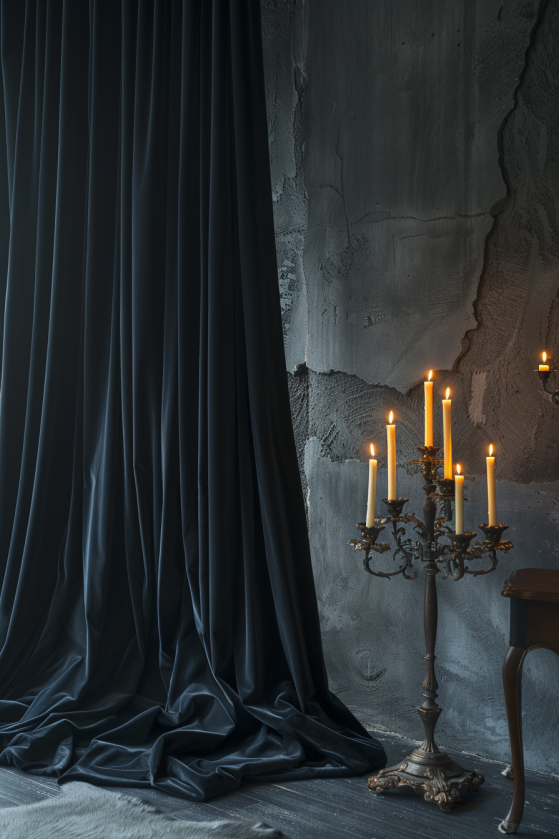
    A tall iron candelabra in the corner of the living room. A cluster of mismatched taper candles on the mantle. A pendant candle chandelier above the dining table.

    Candle arrangement is the fastest and most affordable path into castlecore. A $30 iron floor candelabra and a pack of beeswax tapers transforms a room’s entire atmosphere after dark.

    [AFFILIATE LINK: Tall Iron Floor Candelabra (3-arm)]

    5. Dark-Stained or Reclaimed Wood Accents

    Dark wood — ebonized oak, aged walnut, reclaimed timber with a blackened finish — grounds the castlecore aesthetic in something earthy and ancient.

    Look for dark wood in:

    • Exposed ceiling beams
    • Chunky floating shelves
    • A statement dining table with a dark stain
    • Picture frames and mirror frames in deep walnut or black-painted wood

    The grain and imperfection of real wood matters here. Avoid synthetic wood panels that read as flat and modern.

    6. Arched or Gothic-Detail Mirrors

    Mirrors are functional and decorative, but in a castlecore home they also suggest architecture. An arched mirror on the wall implies a window or doorway that isn’t there — it extends the sense of space and drama simultaneously.

    Look for mirrors with:

    • Gothic arch or pointed arch frames
    • Intricate ironwork or ornate dark-metal frames
    • Antiqued or foxed glass that reflects warmly rather than crisply

    A large arched floor mirror leaned against a dark wall is one of the highest-impact castlecore moves you can make for under $200.

    [AFFILIATE LINK: Gothic Arch Wall Mirror — Antiqued Metal Frame]

    7. Rich, Dark Paint Colors

    This is where commitment is required.

    Castlecore does not survive in white rooms. It needs walls the color of midnight forest, dark stone, deep plum, or aged burgundy. Farrow & Ball’s Railings, Pitch Black, and Mole’s Breath are the gold standard — but excellent dupes exist from Benjamin Moore, Sherwin-Williams, and Clare.

    If full wall commitment is too much, paint the ceiling. A dark ceiling lowers the perceived height of the room and creates immediate atmospheric drama. It’s one of the most transformative things you can do to a room without touching the walls.

    [AFFILIATE LINK: Farrow & Ball Railings (No. 31) — Sample Pot]

    8. Books — Used as Architecture

    Books are the furniture of a castlecore interior. Not just as objects to read, but as material. Stack them in tall shelves from floor to ceiling where possible. Group them by color and size as much as by subject. Let some face spine-in for texture.

    A castlecore home smells faintly of old paper. It has books in unexpected places — on the stairs, on the kitchen shelf, on the bathroom windowsill. Books make a room feel inhabited and intelligent and in time.

    Building the Castle Takes Time

    None of this happens in a weekend order. The castlecore interior is assembled the way a real castle was built: stone by stone, year by year, with an understanding that the best interiors are never quite finished.

    Start with the candelabra and the curtains. Paint one wall. Find an arched mirror. Let it grow from there.

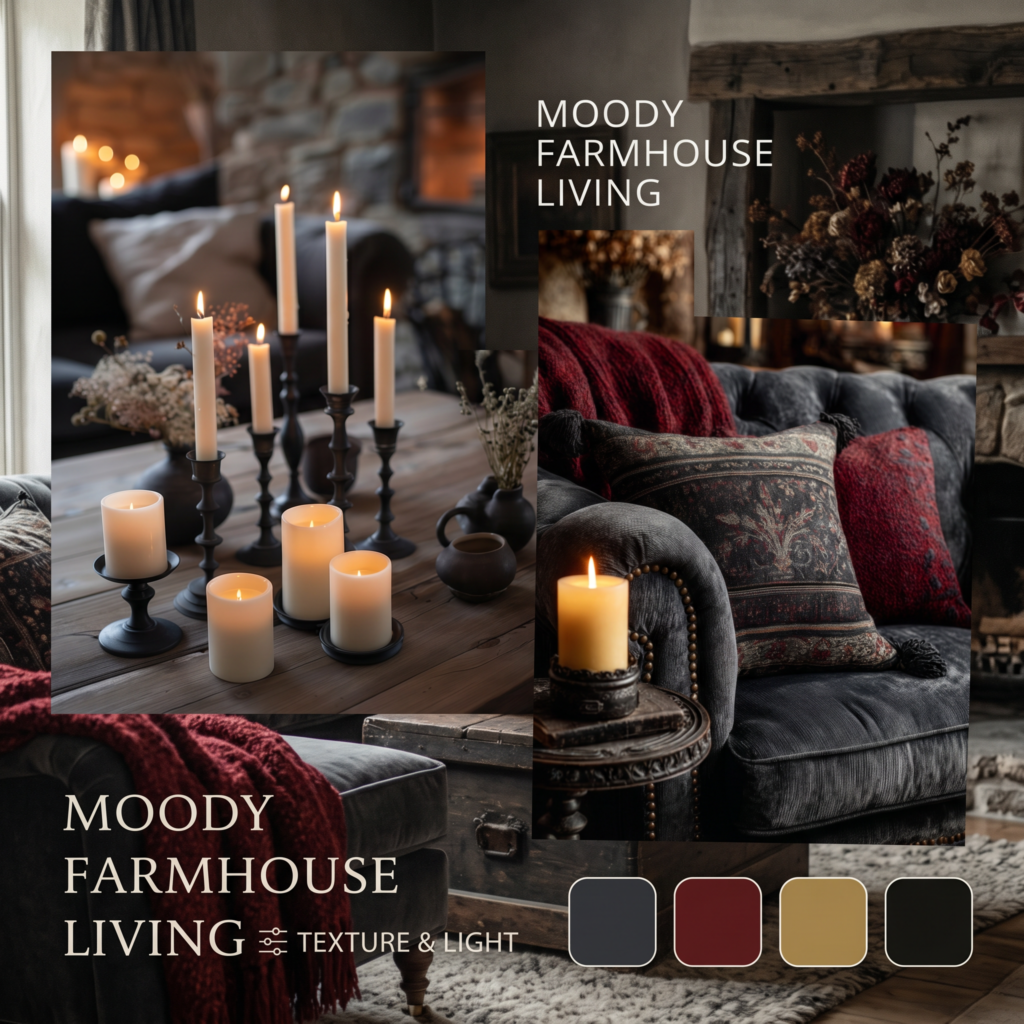
  • How to Create a Moody Farmhouse Living Room – Velvet & Ash Living Room

    How to Create a Moody Farmhouse Living Room – Velvet & Ash Living Room

    You know that particular light — the amber glow of a table lamp falling across worn wooden floorboards at dusk, the faint smell of woodsmoke still threading through the air from last Sunday’s fire.

    The living room in your head has velvet the color of a storm cloud, dark oak that gleams like it holds decades of quiet evenings, and a rug so thick your feet disappear into it. You’ve been saving that room on Pinterest for three years.

    And every time you look at your actual living room — the beige walls, the safe sofa, the neutral everything — you think: it would look too dark. Too much. Too goth.

    LAYER YOUR OWN MOODY FARMHOUSE LIVING ROOM

    Start with a Deep Velvet Sofa in charcoal, storm-cloud grey, or oxblood. Add Dark Oak or Reclaimed Wood Side Tables and a substantial coffee table. Layer in a Thick Textured Area Rug that feels like it’s been there forever. Finish with Iron Candlesticks, Beeswax Candles, and a statement Oversized Mirror to multiply the warm light.

    *This post contains affiliate links. If you shop through my links, I may earn a small commission at no extra cost to you. I only recommend pieces I genuinely believe in.*

    What Is Moody Farmhouse Style?

    The smell of woodsmoke clings to the velvet. Amber lamplight pools on rough plaster walls. This is what a moody farmhouse living room actually feels like — lived-in, layered, and unapologetically dark. Discover the key pieces that build this look. Save this for your living room transformation

    Moody farmhouse is what happens when the clean, white-shiplap farmhouse aesthetic finally grows up.

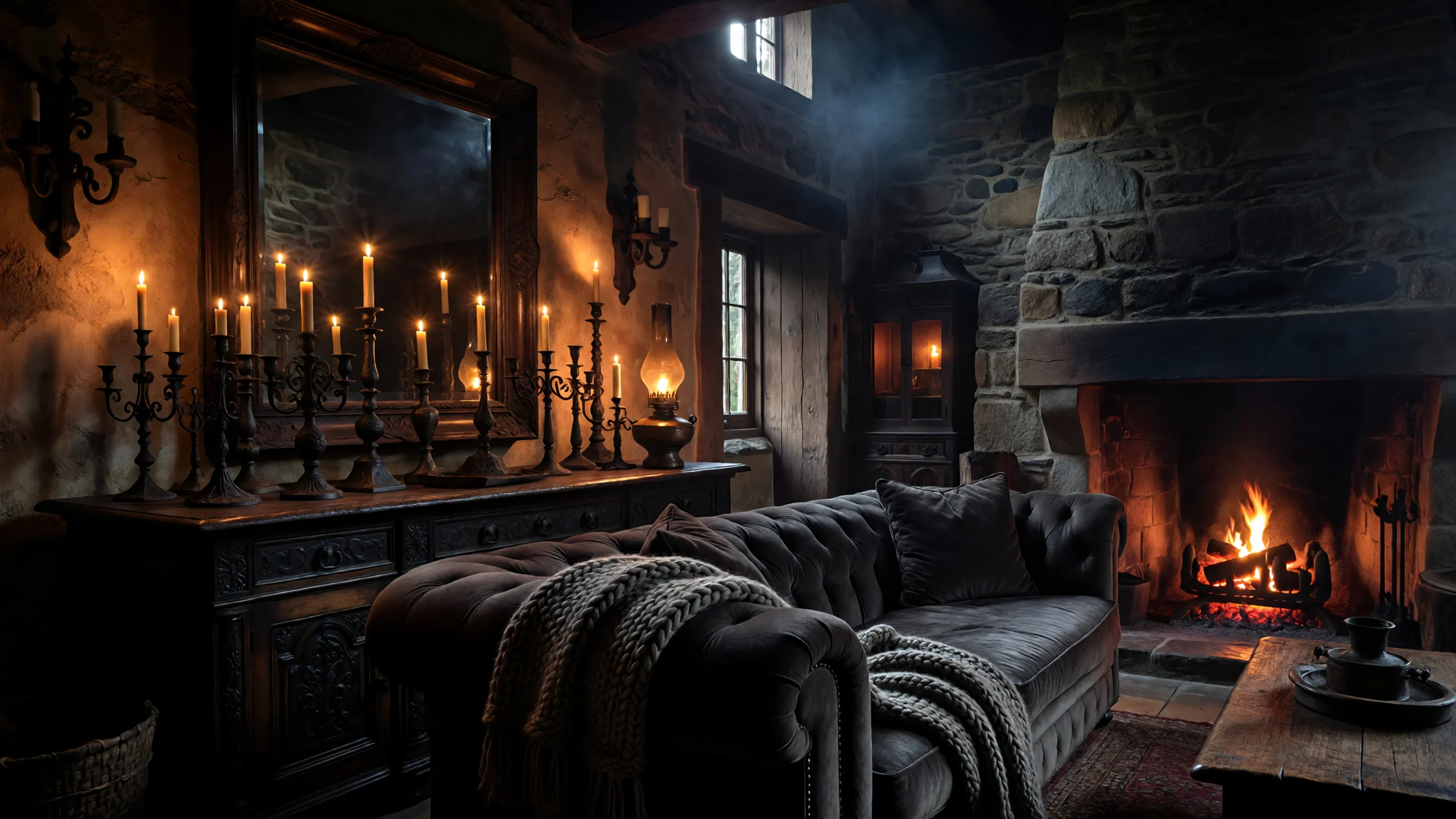
    Moody farmhouse living room with charcoal walls, amber candlelight, velvet sofa and aged wood furniture

    It keeps everything that made farmhouse beloved — the warmth, the layered texture, the sense that a real life is lived here — and trades the bleached, airy bones for something richer and more honest: charcoal velvet sofas, dark oak that glows like it holds decades of quiet evenings, amber glass, and shadows that feel intentional rather than accidental.

    The sofa is the color of woodsmoke. The sideboards and bookshelves hold real things, worn things, beautiful things.

    LAYER YOUR OWN MOODY FARMHOUSE LIVING ROOM

    Start with a Charcoal or Storm-Grey Velvet Sofa as the hero piece. Add Dark Oak or Reclaimed Wood Side Tables and a substantial coffee table. Layer in a Thick Textured Area Rug and a Heavy Knit Throw for instant coziness. Finish with Iron Candlesticks, Beeswax Candles, and an Oversized Mirror to multiply the warm light.

    The reason it resonates so deeply? It feels earned. White shiplap was aspirational — a fantasy of airy country life. Moody farmhouse style is more truthful: rooms with weight, rooms that feel loved for decades rather than staged for a photo shoot.

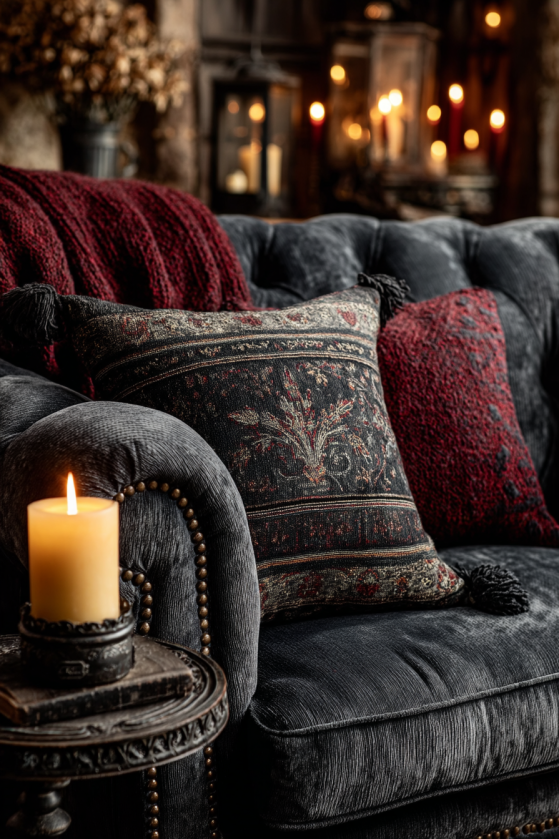
    Charcoal velvet sofa cushion with burgundy wool throw and beeswax candle — dark farmhouse living room texture and textile detai
    il 794xn.7267993332 la8y

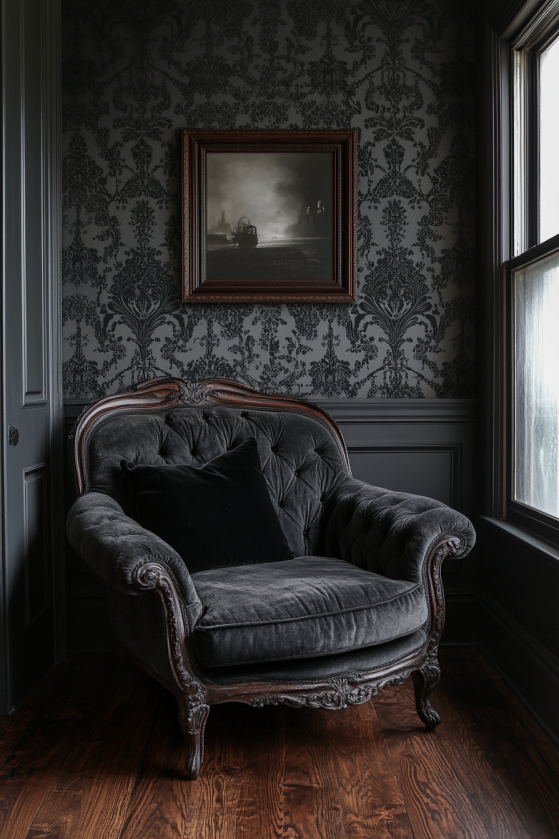
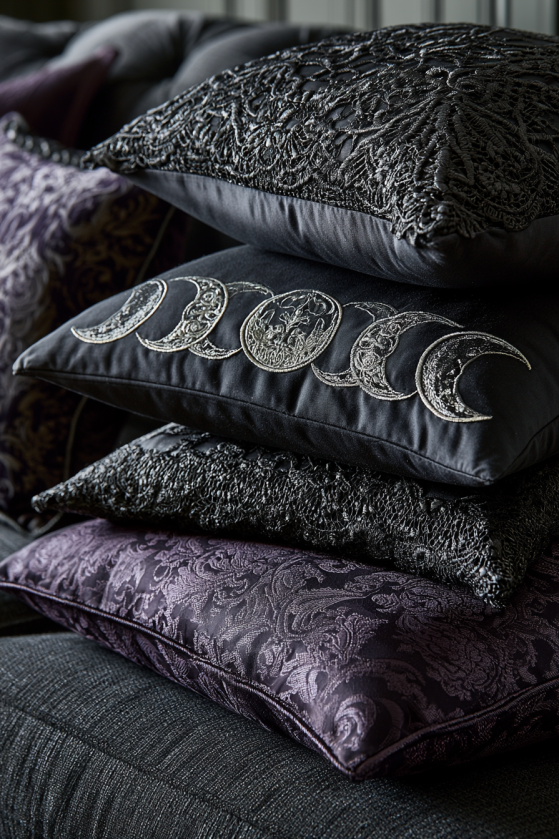
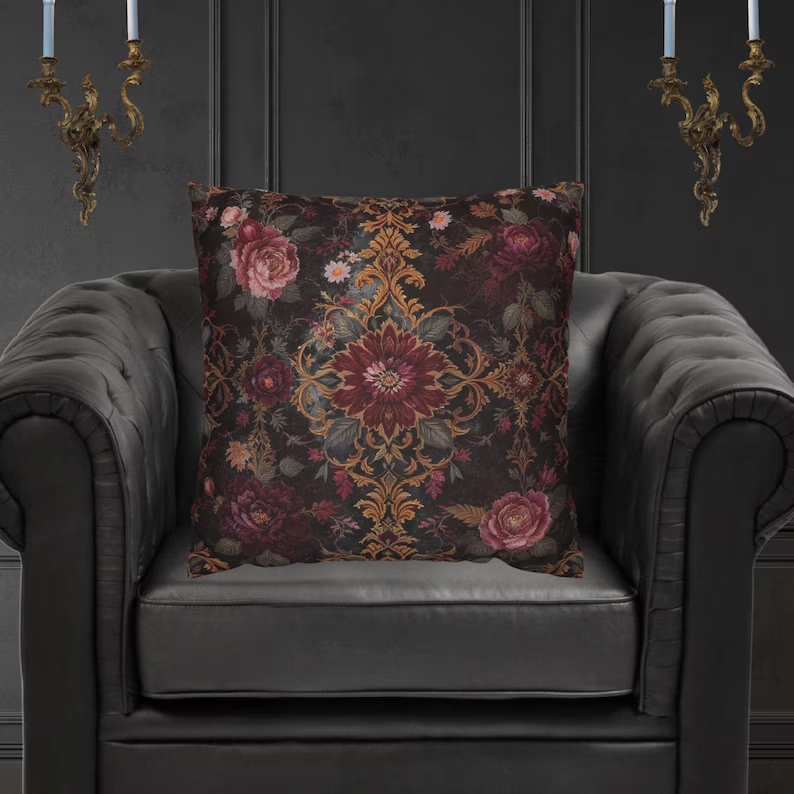
    Find This Look –If you already have pillow just add y Damask Floral Pillow Covers or Select the Perfect DamaskThrough Pillows to bringing rich gothic elegance to any room. Shop This Look on Gray Velvet Arm Chair, Dark Room Paint, Brass Wall Scones for adding that soft, mysterious cottagecore touch.

    darkhomestead charcoal velvet sofa farmhouse living room.jpg

    Standing sentinel along the blackened mantel or clustered on the Scarred Wooden Table, these Bees Wax Pillar Candles hold the quiet heartbeat of the moody farmhouse living room. Tall and unadorned, They soften every shadow. Add a few Velvet Accent Pillows or a Throw Blanket to finish the look.

    This is dark rustic farmhouse aesthetic done with warmth and intention. Not gothic theater. Not dungeon minimalism. A sitting room with a fire in it and a good book on the arm of the sofa. That’s the target.

    The Foundation: Color, Texture, and Light

    Every moody farmhouse living room is built on three pillars. Get these right, and every other decision falls into place.

    Color: Go Dark, Go Warm

    combine into one image highlig nano banana 2 82573

    The moody farmhouse living room palette lives in charcoals, deep forest greens, warm blacks, aged burgundies, and the particular brown-gray of old stone. If you’re renting or not ready for a full repaint, start with a single feature wall — Find The Perfect Shade For Your Farmhouse Moody Vibe — *Black Forest Green*, or a deep matte charcoal from your local hardware store. One wall is enough to anchor the room.

    The essential rule: **warmth over cool.** A true cool gray reads clinical and flat. You want a shade with brown or green undertones that makes the room feel like it’s exhaling — like it’s been this color since before anyone can remember.

    Close-up of moody farmhouse decor vignette with lit candles, aged wood surface and layered velvet and linen textures

    Texture: Layer It Like You Mean It

    Moody farmhouse living room decor is a deeply tactile aesthetic. Smooth, glossy surfaces belong somewhere else. Here, every surface asks to be touched.

    You want the heavy weight of velvet against the rough grain of reclaimed oak. The softness of thick linen draping over a stone bowl. The cool, earthy feel of handmade ceramics next to warm, weathered wood. You want burlap, waxed leather, raw flax, and the faint roughness of plaster walls that have stories to tell.

    Layering at multiple scales is what prevents a dark room from feeling heavy or airless. One dark texture reads flat. Three or four textures at different weights and temperatures create depth that genuinely breathes — and invites you to sink in and stay awhile.

    Dark reclaimed oak sideboard styled with wrought iron candleholders and beeswax candles — moody farmhouse living room furniture vignette

    LAYER YOUR OWN MOODY FARMHOUSE TEXTURES

    Start with a Charcoal or Oxblood Velvet Sofa as your anchor. Layer in Heavy Linen or Burlap Throws and Textured Pillows in natural flax or stone tones. Add Reclaimed Wood Side Tables, Stoneware Bowls, and Iron Candlesticks for contrast. Finish with a Thick Jute or Wool Rug underfoot — the final layer that makes the whole room feel grounded and warm.

    The Furniture Picks That Do the Heavy Lifting

    Great moody farmhouse furniture looks old enough to have a story but substantial enough to anchor the room for the next decade. Here is what to invest in — and what to look for in each category.

    The Velvet Sofa

    The moody farmhouse living room lives and dies by its sofa. This is where charcoal velvet does its best work — the nap of the fabric catches light differently at every angle, creating a shifting, alive quality that photographs beautifully and feels even better at the end of a long day.

    darkhomestead-charcoal-velvet-sofa-farmhouse-living-room.jpg

    Look for: channel tufting or clean, wide arms in a rolled or track style. Avoid ultra-modern, low-to-the-floor profiles. You want something with *presence* — a sofa that looks like it has been in this room for thirty years and has no intention of leaving.

    LAYER YOUR OWN MOODY FARMHOUSE SOFA

    Choose a Charcoal or Storm-Grey Velvet Sofa with substantial tufting and wide arms for timeless presence. Budget-Friendly Velvet Sofa . Look for rolled arms or clean track arms that feel grounded and lived-in. On a tighter budget, a high-quality Velvet Slipcover (Deep Charcoal or Oxblood) over an existing sofa can completely transform the room. Alternative: Tufted Velvet Chesterfield Sofa

    The Dark Oak Sideboard

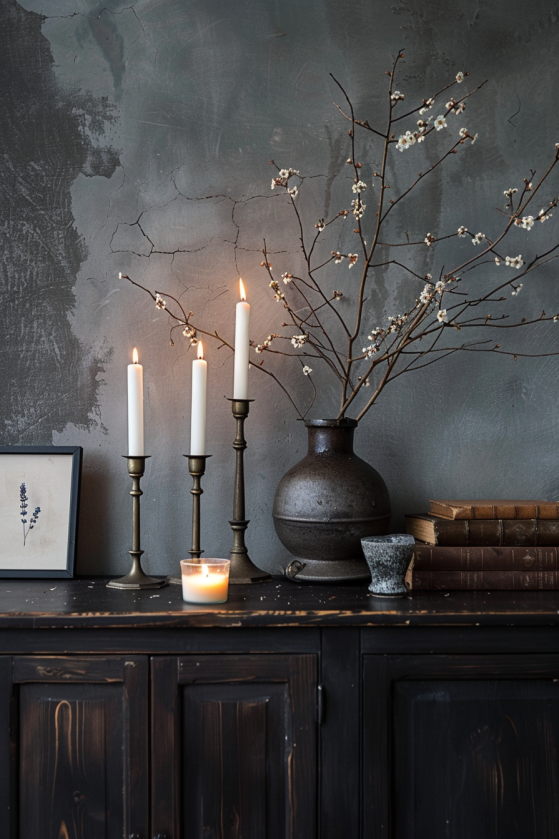
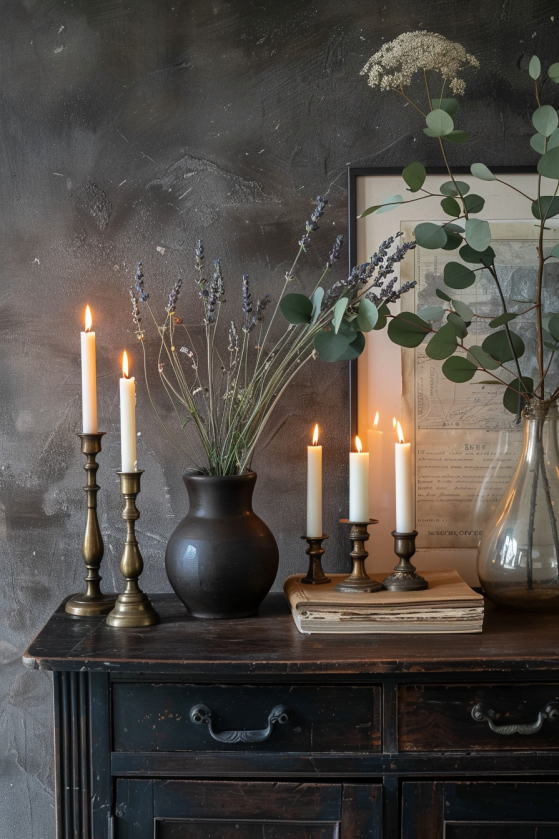
    Dark oak sideboard styled with brass candles, dried flowers and books in a moody farmhouse living room
    3. Dark Oak Sideboard 3 1

    Every moody farmhouse living room needs a sideboard — the quiet workhorse that carries lamps, books, trays, and collected objects while giving the entire room a sense of grounded, horizontal weight.

    Dark oak or reclaimed wood is the material of choice. Aged hardware is essential: iron pulls, antique brass, or worn bronze. Chrome and nickel have no place here.

    Tucked against the shadowed wall like a quiet heirloom from the old woods, this dark oak sideboard carries the deep, brooding soul of the moody farmhouse living room. Crafted from solid oak with a rich, blackened finish that drinks in lantern light and reveals every swirling grain, its generous drawers and open shelves cradle ironstone, folded linens, and well-loved cast iron.

    LAYER YOUR OWN DARK OAK SIDEBOARD

    Choose a Dark Oak or Reclaimed Wood Sideboard with substantial presence and aged hardware. Style it with Iron Candlesticks, a Dark Ceramic Vase or Stoneware Bowl with dried branches, a stack of old books, and a few small stoneware bowls. Aged Iron or Antique Brass Hardware (for sideboard or cabinets) The sideboard becomes the anchor that makes the whole room feel collected and timeless. Vintage-Style Old Books for Styling

    A Companion Chair in a Contrasting Texture

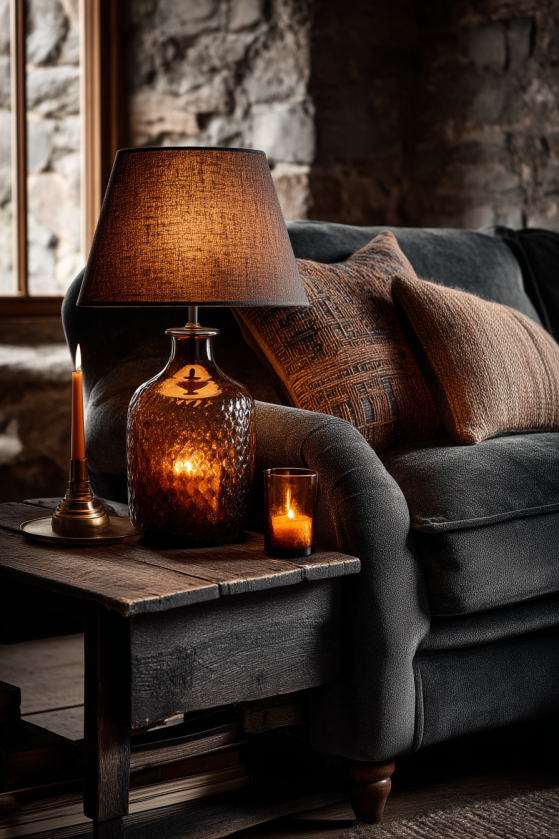
    Amber glass table lamp glowing on a side table in a moody dark farmhouse living room with velvet and wood accents
    darkhomestead amber glass floor lamp dark farmhouse.jpg

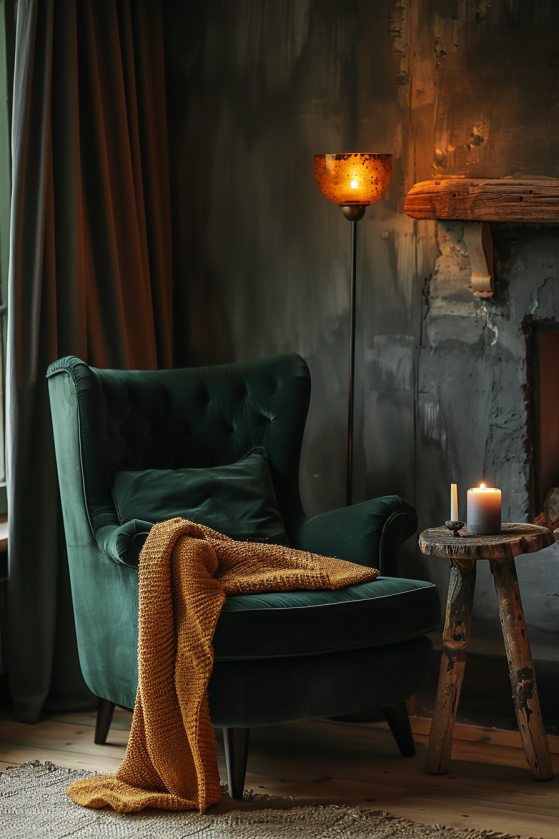
    A pair of armchairs — or even one statement chair positioned near the window — in a contrasting material keeps the room from reading one-note. Worn leather, aged linen, or a muted heather plaid all work beautifully against charcoal velvet. Look for tones that complement rather than compete: oatmeal, aged tobacco brown, faded forest green.

    LAYER YOUR OWN COMPANION CHAIR

    Choose one or two Accent Armchairs in a contrasting texture — Worn Leather Accent Chair, Aged Linen or Boucle Armchair, or Muted Heather Plaid or Forest Green Accent Chair. Position it near a window or opposite the main sofa to create a quiet conversation nook. Opt for tones like Tobacco Brown or Oatmeal Leather Chair, or Faded Forest Green Chairs to add warmth and depth without competing with the velvet.

    Lighting: The Secret Weapon of Moody Farmhouse Living Rooms

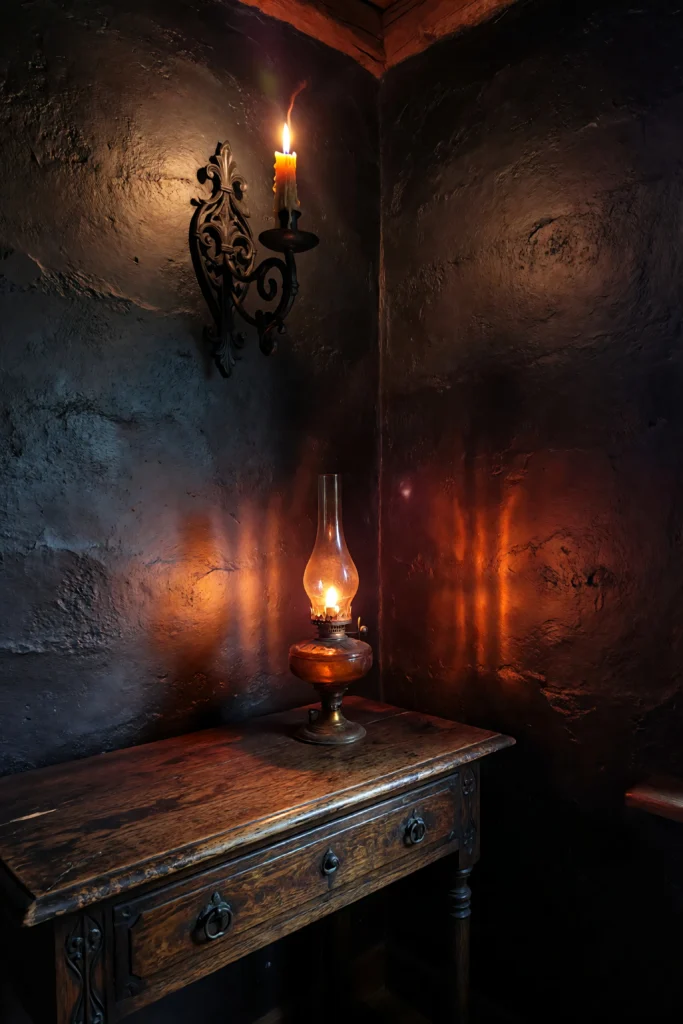
    Amber glass oil lamp on dark oak console casting warm moody light against rough plaster wall — gothic farmhouse living room lighting
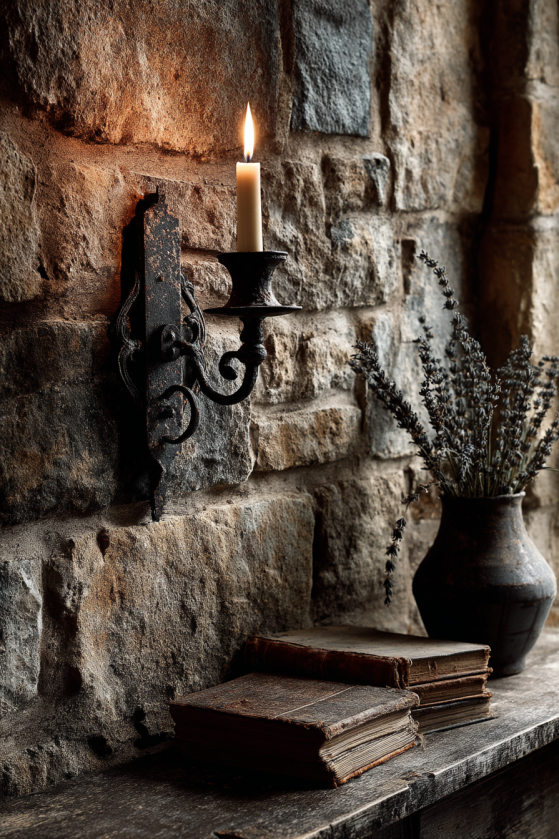
    Wrought iron wall sconce with candle flame on a rough stone wall in a dark farmhouse interior
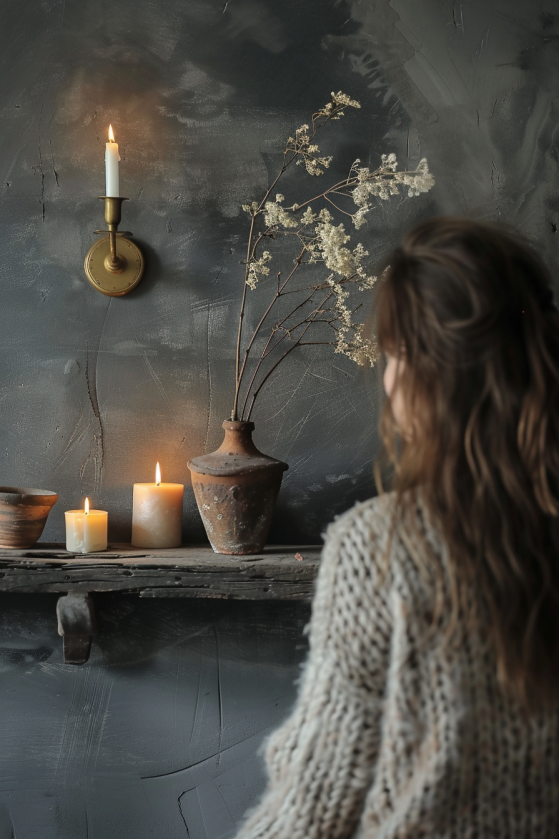
    Aged brass wall sconce with warm candle glow on a charcoal plaster wall in a moody farmhouse interior
MJ Prompt:

    No single change transforms a moody farmhouse living room faster than rethinking the light. This is the one you can do this weekend, for under fifty dollars, and feel the difference the same night.

    Amber Glass Table and Floor Lamps

    Warm amber glass — hand-blown, slightly irregular, the color of old honey — casts an orange-gold light that mimics firelight and makes skin tones look warmer and more alive. The lamp itself becomes a beautiful decorative object. Look for imperfect, organically shaped pieces rather than uniform globes..

    Warm Amber Light Bulbs

    Eliminate cool white light from the living room entirely. Replace every bulb with warm amber equivalents (2700K or lower — 2200K if you can find it). The shift is immediate and dramatic.

    Torchiere Floor Lamp & Glass Table Lamps

    Iron or Aged Brass Wall Sconces

    Wrought-iron or aged-brass wall sconces mounted at eye level or slightly above replace the work overhead lights usually do — but with far more romance and shadow play.

    image 1
    a darkhomestead dark oak sideboard farmhouse styling.jpg

    Matte Black Iron Candleholders

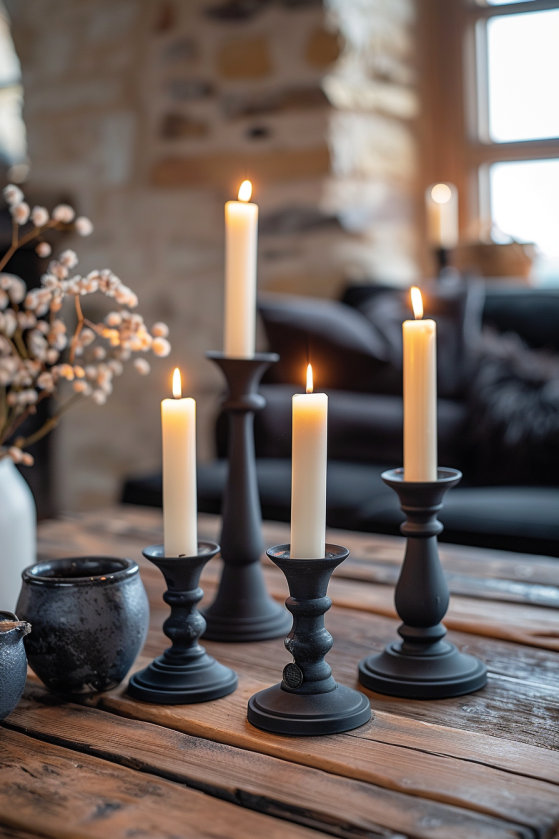
    Candlelight cannot be replicated electrically. A cluster of matte black iron candleholders on the mantel, at varying heights, with pillar candles in ivory or natural beeswax, anchors the room’s atmosphere at the deepest level.

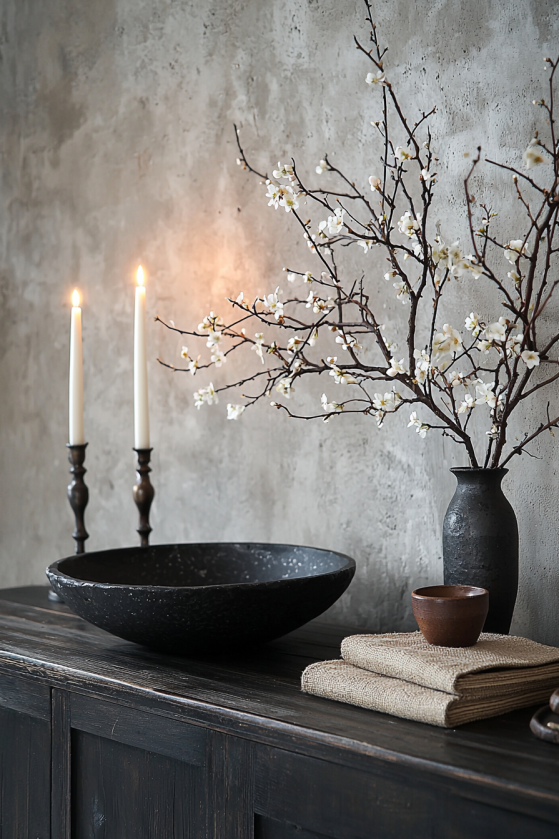
    Matte black iron candleholder set with glowing candles clustered on an aged wood table in a dark farmhouse interior

    LAYER YOUR OWN MOODY FARMHOUSE LIGHTING

    https://amzn.to/4usw8xZStart with Amber Glass Table Lamps and Warm Amber Light Bulbs (2200K–2700K) to instantly warm the room. Add a Torchiere Floor Lamp for upward glow and Wrought-Iron or Aged-Brass Wall Sconces for drama. Finish with a cluster of Matte Black Iron Candleholders and Beeswax Candles on the mantel — the flicker that makes the space feel alive.

    The Finishing Layers: Throws, Rugs, Curtains, and the Details That Make It Yours

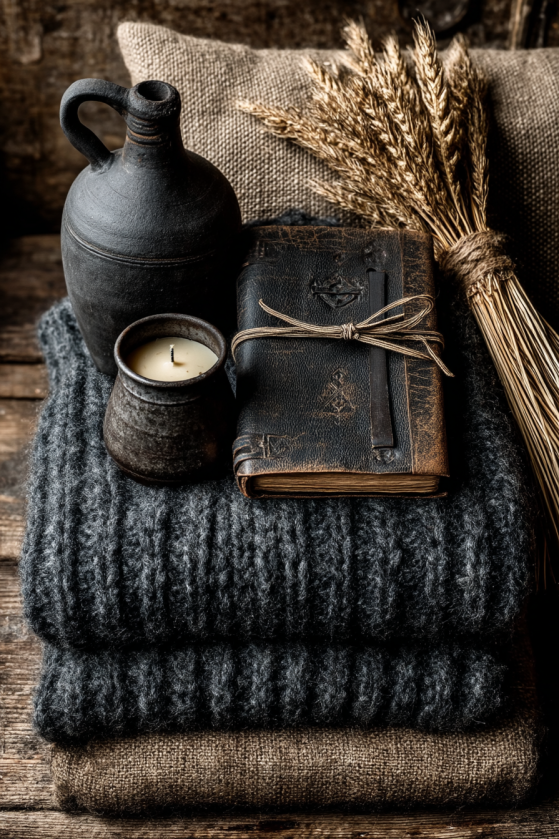
    Dark farmhouse flat lay with wool throw, wrought iron candleholder, linen pillow and dried wheat — finishing layers for a moody farmhouse room

    This is where the room stops being aspirational and starts feeling like yours. Once the big structural pieces are in place, the finishing layers are what make a moody farmhouse living room feel inhabited, loved, and lived-in rather than staged.

    The Area Rug

    Dark charcoal woven area rug in a moody farmhouse living room with velvet sofa and amber candlelight
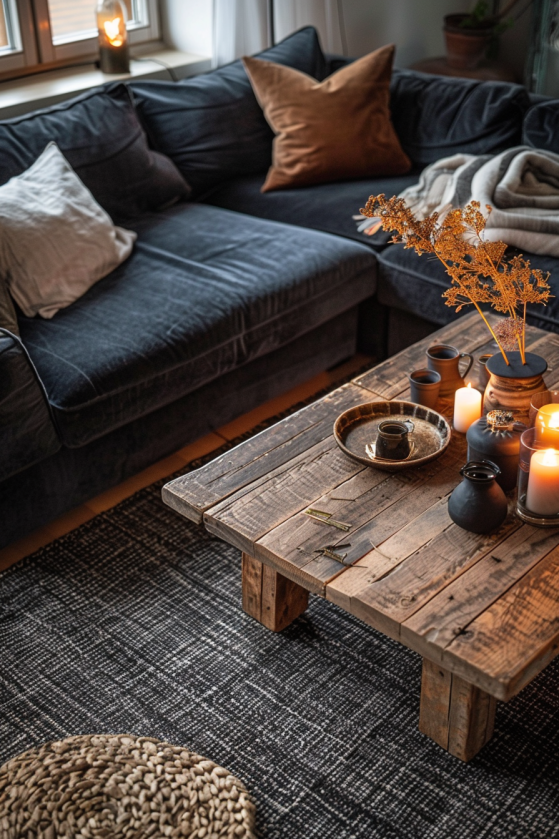
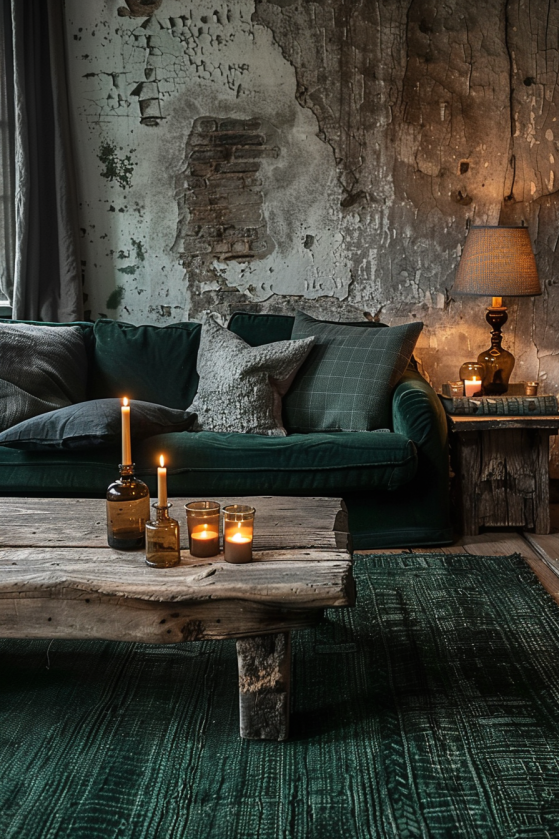
    Forest green farmhouse area rug under a dark wood coffee table in a moody farmhouse living room with candles
MJ Prompt:

    The rug grounds the entire room. Go dark: charcoal, forest green, deep burgundy, or a layered Persian-style pattern that quietly pulls all the tones together. Wool or a wool-blend in a flat-weave or low pile is ideal. It adds warmth underfoot, anchors the furniture grouping, and softens the hard edges of wood floors without competing with the sofa.

    The Wool Throw

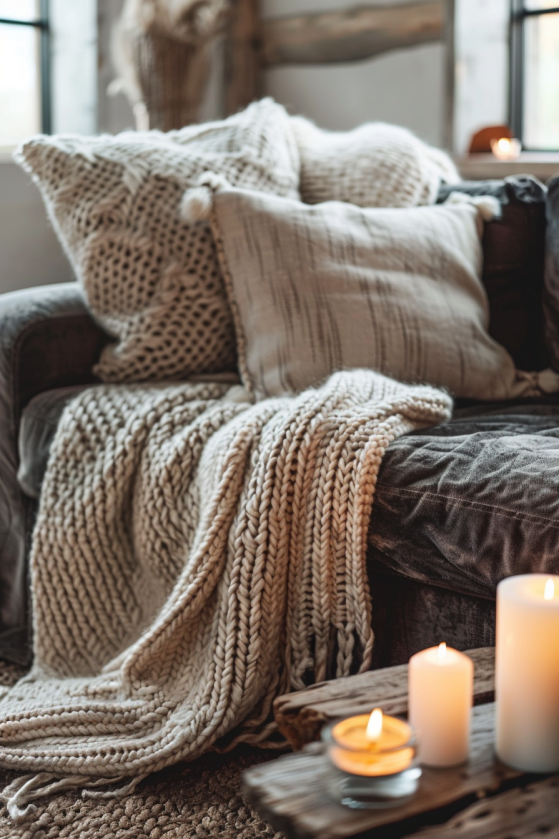
    Thick natural wool throw draped over a dark charcoal sofa in a moody farmhouse living room with candlelight

    A thick wool or chunky knit throw draped casually over the sofa arm is both a textural anchor and an open invitation. Natural, undyed wools in oatmeal, charcoal, heathered brown, or a subtle dark plaid feel the most authentic — nothing too bright or synthetic. This is the piece that makes the whole room exhale.

    Floor-to-Ceiling Curtains

    Charcoal velvet blackout curtains drawn in a dark moody farmhouse living room with candlelight and aged wood
    Dark linen floor-length curtains pooling on wood floors in a moody farmhouse living room with amber light

    The curtain rule in a moody farmhouse living room is non-negotiable: floor-to-ceiling, always. Dark linen or velvet blackout curtains hung from ceiling height (even in a standard-height room) add drama, control light, and soften every edge. Forest green, charcoal, deep navy, or a charcoal-and-natural stripe are all excellent choices.

    The Small Objects That Finish the Room

    These are the details that separate a styled room from a shopped one:

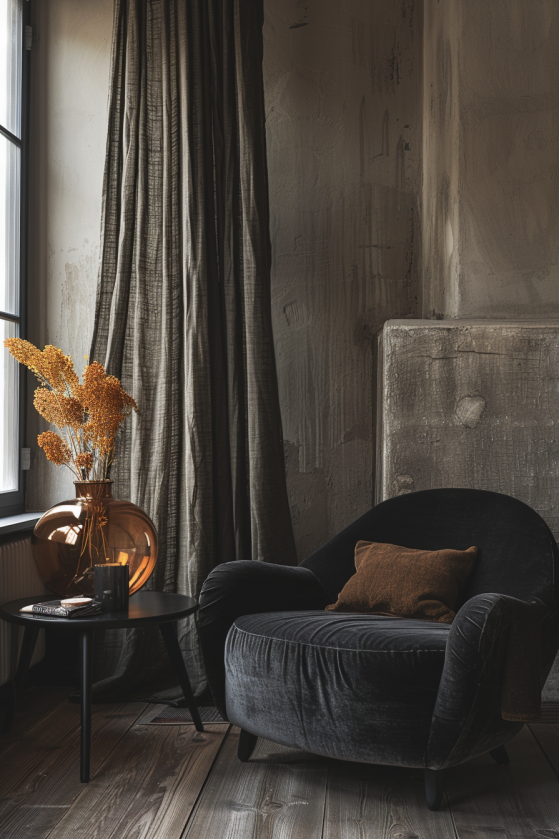
    Moody farmhouse reading nook with dark velvet armchair, amber lamp, linen curtains and book-filled wood shelves

    LAYER YOUR OWN FINISHING LAYERS

    Anchor the room with a Dark Wool or Jute Area Rug in charcoal, forest green, or deep burgundy. Drape a Thick Wool or Chunky Knit Throw over the sofa arm in oatmeal, charcoal, or heathered brown. Hang Floor-to-Ceiling Linen Curtains or Floor-to-Ceiling Velvet Curtains in dark, rich tones. Finish with small, meaningful objects — a Velvet Arm Chair, Must have Iron Candlesticks, Dried Botanicals, Antique Inspired Table Lamps and well-loved books — until the room feels like it has always been yours.

    FAQ: Your Honest Questions, Answered

    **”Won’t a dark living room feel oppressive and small?”**

    Not if you follow the layering and lighting rules. Dark rooms feel heavy when the light is cold and the textures are flat. Dark rooms with amber lamplight, velvet, wood grain, and layered wool feel like wrapping yourself in a well-worn coat on a cold morning. The darkness becomes comfort rather than weight.

    **”I’m renting. Can I really do this without painting the walls?”**

    Absolutely. A charcoal velvet sofa, amber table lamps, a dark area rug, and floor-to-ceiling curtains (hung on removable tension rods) can transform a rented white box without touching a single wall. The furniture and textiles do most of the heavy lifting in this aesthetic anyway.

    **”Will it go out of style quickly?”**

    No. The core elements of moody farmhouse living room decor — velvet, dark oak, warm light, wool — are rooted in centuries of design tradition. This is not a micro-trend born from a single TikTok moment. It’s a grown-up version of comfort that was always going to arrive once farmhouse white ran its course. Invest in quality pieces now and they will still feel current in a decade.

    **”What if my partner thinks it looks too goth?”**

    Start with the lamps. Swap out one cool white overhead for two amber table lamps and ask again in a week. This aesthetic earns converts through *feeling*, not through argument. Get the light right and the rest of the conversation tends to follow.

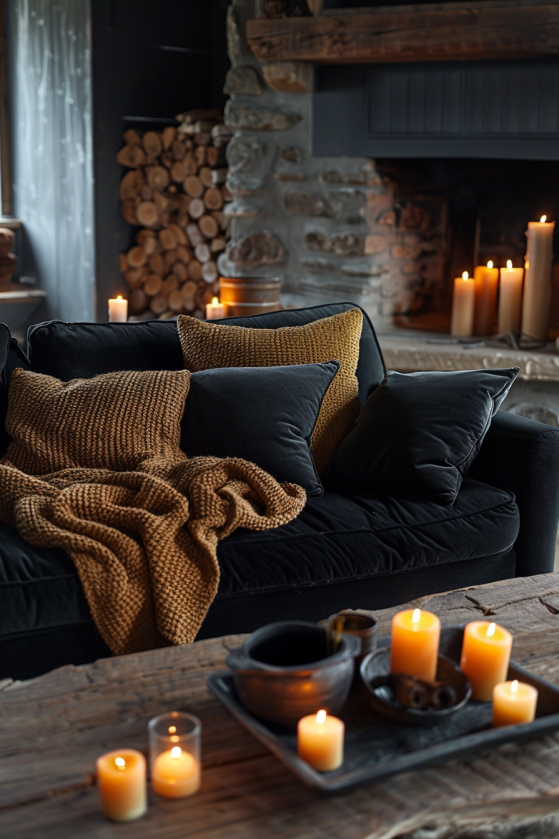
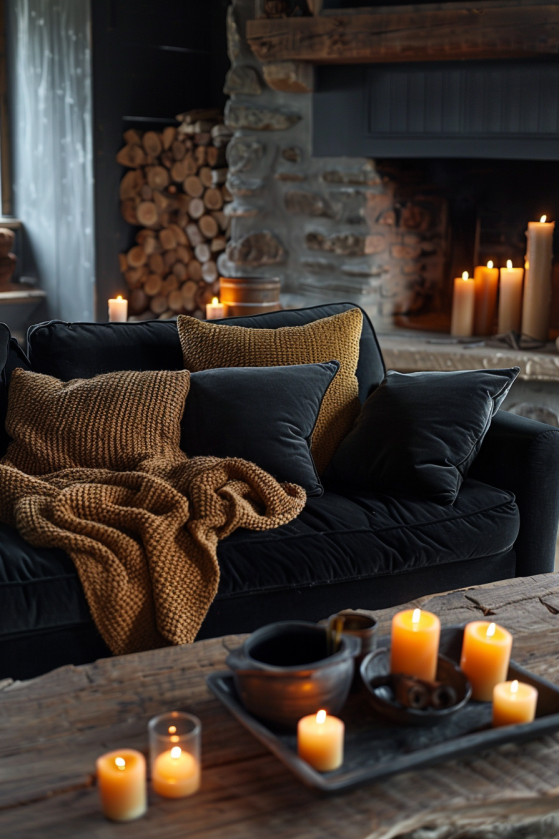
    Woman reading on charcoal velvet sofa in a moody farmhouse living room — dark farmhouse lifestyle with amber lamplight and stone fireplace

    Your Next Step

    The moody farmhouse living room is not an all-or-nothing renovation. Start with the lamp. Then add the throw. Then the rug. Build layer by layer, and the room will tell you what it needs next. That is how this aesthetic is supposed to grow — slowly, honestly, like a house that has been lived in and loved.

    If this post helped you, save it to your dark farmhouse Pinterest boards so you can find it when you’re ready for each next step. And explore the related posts below for the full @DarkHomestead world: dark farmhouse kitchens, moody farmhouse bedroom ideas, and the gothic farmhouse decor guide for the rest of the house.